Card sharp

Definition and stakes

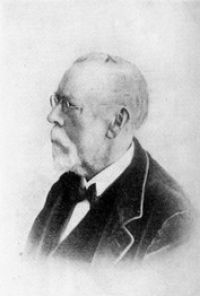
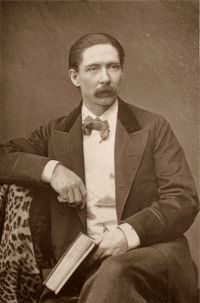
Portrait of John Nevil Maskelyne John Nevil Maskelyne,  Sharps and Flats

“ Probably it was at no very recent date in the history of card-playing that some genius first recognised the advantage which would accrue to a player who could devise some means of placing a distinctive mark on the back of each card, imperceptible to all but himself, to indicate its suit and value. Every card-player must at some time or other have exclaimed mentally, 'Oh, if I only knew what cards my opponents hold!' There one has, then, the origin of marked cards. The sharp, above all others, desires to know his opponent's cards. ”
Source: Gutenberg

Portrait of John Nevil Maskelyne John Nevil Maskelyne,  Sharps and Flats

“ Some of the known cards are sure to be at the top of the pack, ready for the draft, and looking at the last card which has fallen to him on the deal, the sharp can tell what they are. If, in addition, it is the confederate who cuts the cards, of course the game becomes too strong to be beaten. He is sure to cut the pack at the right place.
If the sharp is a fine shuffler, with a good memory, well-trained in this class of work, he can dispense with an accomplice, and do quite as well without one.
”
Source: Gutenberg

Portrait of John Nevil Maskelyne John Nevil Maskelyne,  Sharps and Flats

“ A sharp who uses the bottom deal rarely employs any other form of manipulation whatever.
We now pass on to the trick known as 'Dealing Seconds.' The trick is so named because it consists of dealing out the second card from the top instead of the top one. It is particularly useful in connection with marked cards, where of course the top card can be read, and very often the second one also.5 The effect in this case is that the sharp can always retain the better of the two top cards for himself. Suppose, then, there are four players.
”
Source: Gutenberg

Get perspective with Kwize: daily news enlightened by great literature