Carrion crow

Definition and stakes

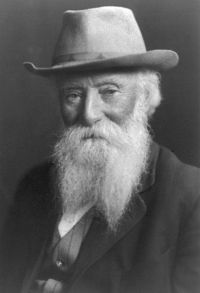
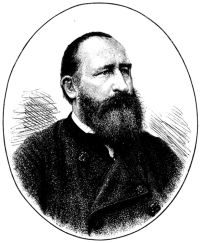
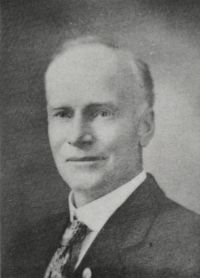
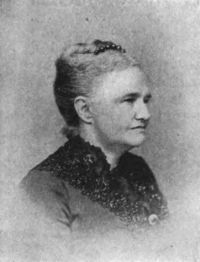
Samuel Smiles,  Life of a Scotch Naturalist: Thomas Edward…

“ Besides being fond of crabs, these carrion crows are fond of fish, and though they are good fishers themselves, they seldom lose an opportunity of assailing [272] the Heron when he has made a successful dive. They rush at him immediately, and endeavour to seize his food from him. Early in the summer of 1845, whilst loitering about the hills of Boyndie, I observed a Heron flying heavily along, as if from the sea—that rich and inexhaustible magazine of nature—and pursued by a Carrion Crow, followed at some distance by two Magpies. ”
Source: Gutenberg

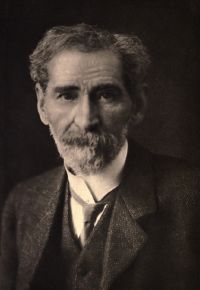
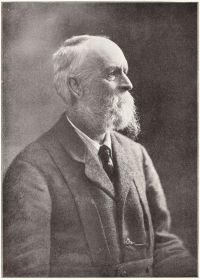
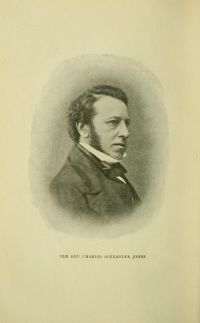
Portrait of C. A. Johns C. A. Johns,  British Birds in Their Haunts

“ Breeding early in the year, like the Raven, the Carrion Crow builds its nest in some tree which, from its loftiness or other reason, is difficult of ascent, where its young ones are hatched about the [Pg 66] time that most other birds are laying their eggs, and when the lambing season is at its height. Then, too, its habits are most fully developed. Its young are clamorous for food, and will not be satisfied with a little. So the old bird sallies forth to scour the districts least frequented by man, and makes every living thing its prey, provided that by force or cunning it can overpower it. ”
Source: Gutenberg

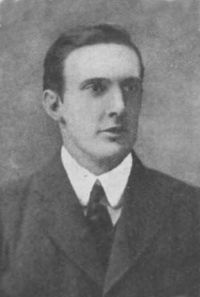
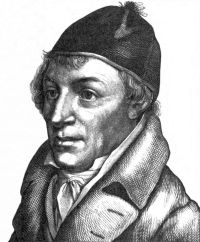
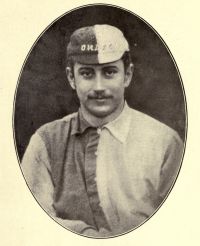
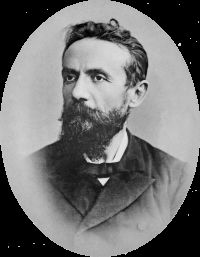
Frederick G. Aflalo,  Birds in the Calendar

“ Possibly the crow feels its loneliness and realises that in case of trouble none of its brothers are there to see fair play. Yet carrion crows, like herons, are among the rook's most determined enemies, and cases of rookeries being destroyed by both birds are on record. On the other hand, though the heron is the far more powerful bird of the two, heronries have likewise been scattered, and their trees appropriated, by rooks, probably in overwhelming numbers. Of the two the [48] heron is, particularly in the vicinity of a preserved trout stream, the more costly neighbour. ”
Source: Gutenberg

Get perspective with Kwize: daily news enlightened by great literature