Coronation oath

Definition and stakes

Giles Gossip,  Coronation Anecdotes

“ If the coronation of a king, important as he held it to be, proceeded from the sovereign will, à fortiori it must be so with that of a queen- [Pg 318] consort. The rights of the queen-consort did not proceed from any coronation; they flowed from her relationship to the sovereign. Her rights were complete and absolute without any coronation. Nor was it essential to the people, for the queen-consort occupied no political station. This view of the right was strengthened by the important preamble of William and Mary, which settled the coronation oath. ”
Source: Gutenberg

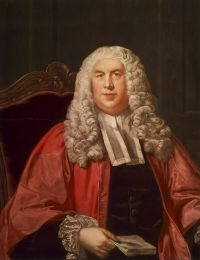
Portrait of William Blackstone William Blackstone,  Commentaries on the Laws of England (1768)

“ And, as to the terms of the original contract between king and people, these I apprehend to be now couched in the coronation oath, which by the statute 1 W. & M. st. 1. c. 6. is to be administred to every king and queen, who shall succeed to the imperial crown of these realms, by one of the archbishops or bishops of the realm, in the presence of all the people; who on their parts do reciprocally take the oath of allegiance to the crown. ”
Source: Wikisource

Giles Gossip,  Coronation Anecdotes

“ King John claimed the throne by "unanimous consent of the kingdom;" and the prelate of the day observed to the people that it was well known to them "that no man hath right of succession to this crown," except by such consent, and that "with invocation of the Holy Ghost, he be elected for his own deserts [36] ."
During the Norman reigns it is evident [Pg 33] that the coronation oath was administered before the recognition, and then the archbishop having stated what the king had engaged to do, asked the people if they would consent to take him for their king [37] ?
”
Source: Gutenberg

Get perspective with Kwize: daily news enlightened by great literature