Corps (military)

Definition and stakes

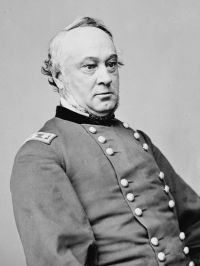
Portrait of H. W. Halleck H. W. Halleck,  Elements of Military Art and Science

“ This corps should be composed chiefly of light troops—cavalry, light infantry, horse artillery, "brigades of engineers and mounted sappers,"—who march in advance of the besieging army, and, by a sudden movement, surround the work, seize upon all the avenues of approach, and carry off every thing without the work that can be of service either to the garrison or to the besiegers. ”
Source: Gutenberg

Various,  Continental Monthly , Vol. 5, No…

“ Our staff corps and regular army are insignificant, compared with those of European nations, in which the average strength of the standing armies is from 250,000 to 300,000 men on the peace footing, and 400,000 to 600,000 on the war footing, with immense magazines of equipage and material, numerous military schools, and extensive organizations in all the departments incident to an army. ”
Source: Gutenberg

Charles Alan Fyffe,  A History of Modern Europe, 1792-1878

“ The nucleus of each such corps exists in time of peace, with its own independent artillery, stores, and material of war. On the order for mobilisation being given, every man liable to military service, but not actually serving, joins the regiment to which he locally belongs, and in a given number of days each corps is ready to take the field in full strength. The completion of each corps at its own depôt is the first stage in the preparation for a campaign. Not till this is effected does the movement of troops towards the frontier begin. ”
Source: Gutenberg

Get perspective with Kwize: daily news enlightened by great literature