Dice playing

Definition and stakes

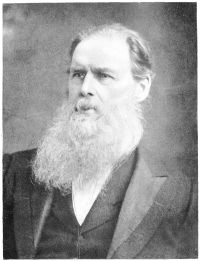
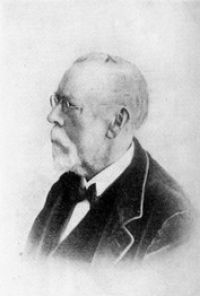
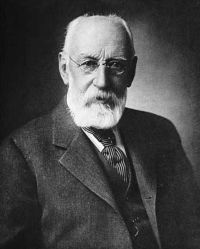
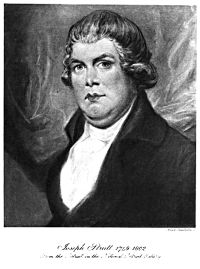
Portrait of Joseph Strutt Joseph Strutt,  The Sports and Pastimes of the People of England

“ The Saxons, the Danes, and the Normans their descendants, were all of them greatly addicted to the same infatuating pastime. One would not, at first sight, imagine that the dice could afford any great variety of amusement, especially if they be abstractedly considered; and yet John of Salisbury, in the twelfth century, speaks of ten different games of dice then in use; but as he has only given us the names, their properties cannot be investigated. He calls it, [918] "The damnable art of dice-playing." ”
Source: Gutenberg

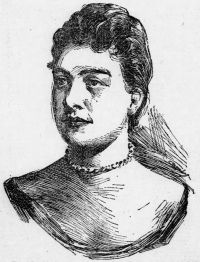
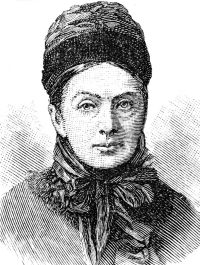
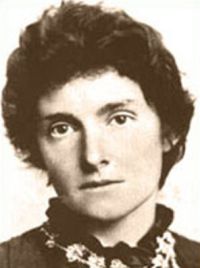
Portrait of E. Nesbit E. Nesbit,  Wings and the Child; Or, The Building of Magic Cities

“ The games which I do so 'wonder and admire' to see aunts playing are the meaningless games with counters and dice: ill-balanced dice and roughly turned counters and boards that look like folding chequer-boards till you open them, and then you find all the ugliest colours divided into squares and circles or slabs, with snakes or motors or some other unpleasing devices on them. ”
Source: Gutenberg

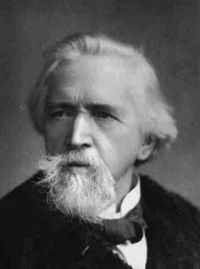
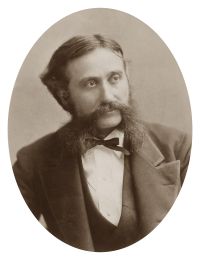
Portrait of Edward Burnett Tylor Edward Burnett Tylor,  Popular Science Monthly (1879)

“ When Greek writers mention dice-playing, they no doubt often mean some game of this class, for at mere hazard the Persian queen-mother could not have played her game carefully, as Plutarch says she did, nor would there have been any sense in his remark that in life, as in dicing, one must not only get good throws, but know how to use them. ”
Source: Wikisource

Get perspective with Kwize: daily news enlightened by great literature