Drift ice

Definition and stakes

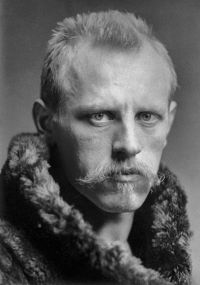
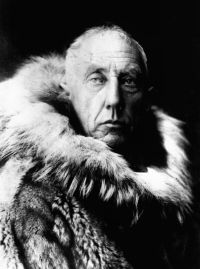
Portrait of Roald Amundsen Roald Amundsen,  Our polar flight (1925)

“ We never tire of standing on the deck watching the drift-ice, which has a charm for any one who is observing it for the first time, even as it has for “old hands” in the northern regions. Against the sides of the great icebergs waves are breaking, just as they do against the island reefs of the Norwegian coast. The drifting pieces of ice have ever-changing forms. During a thaw, sea, sun, and wind turn them into shapes more weird and fantastic than even a sculptor could do. ”
Source: Gutenberg

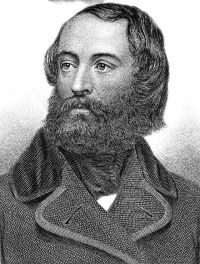
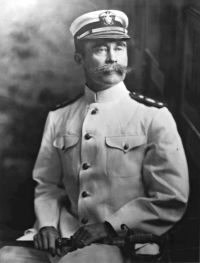
Portrait of James Clark Ross James Clark Ross,  A Voyage of Discovery and Research in the Southern and Antarctic Regions (1847)

“ The drift ice is in large pieces, so large as to give a ship an awkward thump; but when I found it tolerably open I have run through it to get to clear water, and in hopes of making the land, but our progress was soon stopped by the firm barrier, impenetrable, through which there is no passing. On this point you will, I have little doubt, agree with me.
"I am of opinion that there is little movement of the ice during the season. Strong gales may change its position a little, but I think not materially.
”
Source: Wikisource

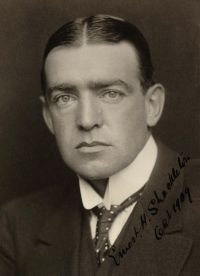
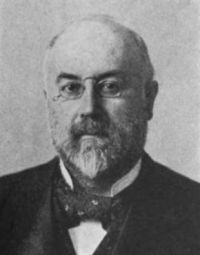
Portrait of Ernest Henry Shackleton Ernest Henry Shackleton,  South: the story of Shackleton's last expedition… (1920)

“ Drift-ice. Loose open ice, where the area of water exceeds that of ice. Generally drift-ice is within reach of the swell, and is a stage in the breaking down of pack-ice, the size of the floes being much smaller than in the latter. (Scoresby's use of the term drift-ice for pieces of ice intermediate in size between floes and brash has, however, quite died out) . The Antarctic or Arctic pack usually has a girdle or fringe of drift-ice. ”
Source: Wikisource

Get perspective with Kwize: daily news enlightened by great literature