First-class cricket

Definition and stakes

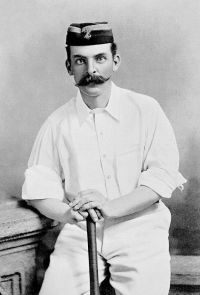
Robert Henry Lyttelton,  Out-door Games: Cricket and Golf (1901)

“ School cricket has every element of fun and enjoyment in it; the scoring is not too high, for the wickets are not always dead true; the hits, except in the school matches, are all run out, the spirits are elastic, and hope springs eternal in the boyish breast. The school hours have to be kept, and in the games there is not often continuous cricket for more than two to three hours, so there is none of the weariness that is the curse of the modern first-class cricket—the inevitable result of batting preponderance and bowling impotence. ”
Source: Wikisource

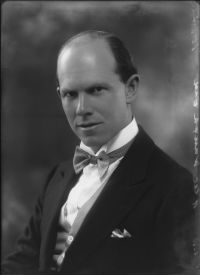
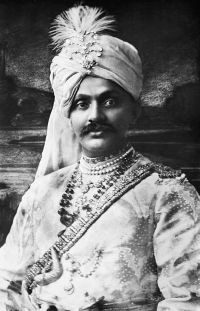
Portrait of Ranjitsinhji Vibhaji II Ranjitsinhji Vibhaji II,  The Jubilee Book of Cricket (1897)

“ Spectacular cricket must be first-class, because the people will have results. Bad or mediocre play does not convince them: it is not what they want. The development of cricket has taught them what the game is when played skilfully, and they would soon cease to care about going to matches if the play were poor, or if it sank to the average standard that can be attained by men who only played cricket occasionally and as a recreation. There are players who can come into first-class cricket from other pursuits, and make centuries. ”
Source: Wikisource

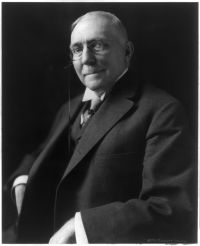
Portrait of Ranjitsinhji Vibhaji II Ranjitsinhji Vibhaji II,  The Jubilee Book of Cricket (1897)

“ If for some reason skill in cricket suffered a sudden decline, the interest in the game would wane—public interest in it as a spectacular amusement. In this form cricket could not possibly exist without professionals, for unless a considerable number of men devoted their entire time and energies to the game, it would be impossible to fill up the county teams with players possessing the requisite amount of skill. The small number of amateurs in first-class cricket is very noticeable. ”
Source: Wikisource

Get perspective with Kwize: daily news enlightened by great literature