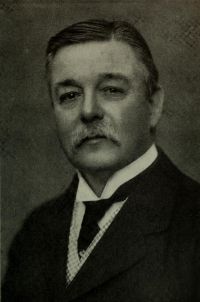
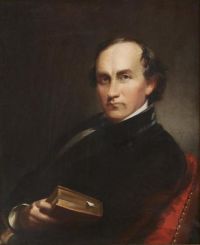
Professionalism refers to the execution of a task with expertise that exceeds that of an amateur, usually within a formal profession. It includes ethical behavior, competence, and compliance with standards, which differ across cultures and industries. Authors such as Arthur E. Bostwick associated professionalism with thorough training and a sense of pride in one's work, whereas Thorstein Veblen distinguished academic professionalism from practical usefulness.
George Smith highlighted commitment to one’s chosen field as a lifelong pursuit, and Edmund Thompson stressed integrity as essential to professional achievement. These viewpoints together define professionalism as a combination of skill, moral responsibility, and contribution to society, illustrating its changing role in shaping occupational identity.
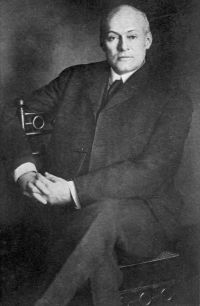 Arthur E. Bostwick,
Library Essays; Papers Related to the Work of Public Libraries
Arthur E. Bostwick,
Library Essays; Papers Related to the Work of Public Libraries