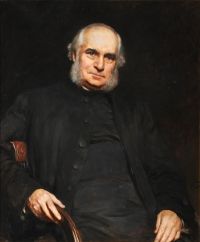
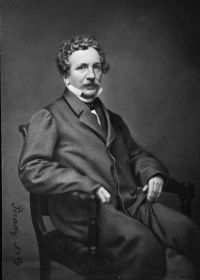
Forbearance, in the context of mortgage agreements, refers to a temporary postponement of foreclosure permitted by lenders to assist borrowers in regaining financial stability. This practice, based on the concept of "withholding" legal action, provides structured support through adjusted payment schedules or temporary payment suspensions. Authors such as Frederick Douglass and Eugène Sue examined its ethical and societal implications, portraying it as a balance between fairness and empathy.
David Francis Bacon associated it with Christian values, highlighting boundless patience toward those who have erred, while legal experts like Samuel Freeman Miller recognized its boundaries in preserving social order. These diverse viewpoints highlight forbearance as both a practical measure and a moral duty, illustrating the tension between leniency and responsibility in both personal and institutional settings.