Fruit orchard

Definition and stakes

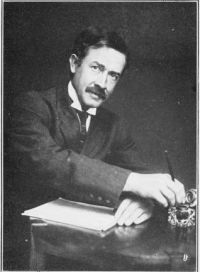
Portrait of Richard Jefferies Richard Jefferies,  The Toilers of the Field

“ On some farms large quantities of fruit are grown—such as gooseberries, currants, plums, and damsons. Most have enough for their own use; some sell a considerable amount. Outside the garden is the orchard. Some of these orchards are very extensive, even in districts where cider is not the ordinary beverage, and in a good apple year the sale of the apples forms an important item in the peculiar emoluments of the farmer's wife. There are, of course, many districts in which the soil is not adapted to the apple, but as a rule the orchard is an adjunct of the garden. ”

Source: Gutenberg

F. W. Woodward,  Woodward's Graperies and Horticultural Buildings

“ Well managed Orchard houses will give us, without doubt or failure, the Peach, the Apricot, the Nectarine, the Plum, the Fig, and many other fruits in great perfection. With the addition of fire heat these [Pg 132] may be forced, and the fruit obtained much in advance of its natural season.
In England, houses for the growth of these fruits, which will generally not ripen in the open air of that climate, have been in successful use for a number of years. In these houses the trees are planted in prepared borders, which gives the roots liberty to ramble at will.
”
Source: Gutenberg

Portrait of Lewis Falley Allen Lewis Falley Allen,  Rural Architecture

“ In such position, the fruit will reach its maximum of flavor, size, and perfection.
The ground, too, should be rich; and, to have the 196 greatest benefit of the soil, no crops should be grown among the trees, after they have arrived at their full maturity of bearing. Thus planted, and nursed, with good selections of varieties, both the fruit garden and the orchard become one of the most ornamental, as well as most profitable portions of the farm.
”
Source: Gutenberg

Get perspective with Kwize: daily news enlightened by great literature