Grave robbery

Definition and stakes

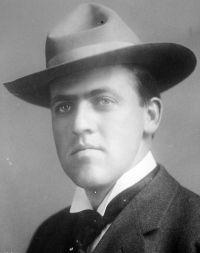
Portrait of Brigham Young Brigham Young,  Journal of Discourses — Volume 9…

“ The first subject I shall notice this morning is robbing the dead. Many have desired me to express myself in public relative to what has transpired in our grave yard during four or five years past. Robbing the dead is not a new thing. Robbing dead people of their jewelry and clothing is customary in the cities of Europe; and it has been and is customary in many places to steal the body for the purpose of dissection. I have, in the course of my life, been under the necessity of watching graves to keep them from being robbed. ”
Source: Wikisource

Charles Whitehead,  Lives and exploits of the most noted highwaymen… (1847)

“ One evening, a party of my companions carried me along with them, and, opening the door of a certain house, conveyed from thence some trunks, which a faithful dog perceiving, he gave the alarm. The people of the house attacked the robbers, who threw down their burdens to defend themselves: meanwhile, I skulked into a corner all trembling. The watch made their appearance, and seeing three trunks in the street, two men dangerously wounded, and myself standing at a small distance, they seized me as one concerned in the robbery. ”
Source: Gutenberg

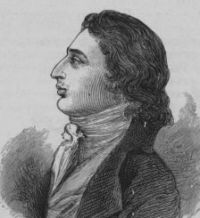
Portrait of Mary Johnston Mary Johnston,  Lewis Rand

“ So armed and so harmless, gentlemen, the prisoner, having committed forgery, does now his second crime—the pitiful robbery. The key that he has forged with care is true to him, the gold lies at his mercy, underneath his hand; he lifts it up, the shining thing; he bears it away. The hour has struck, the deed is done; irrevocable, it takes its place upon the inexpugnable record. He has stolen, and there is no power in heaven or earth to change that little fact. We are grown squeamish in these modern days, and no longer brand a thief with heated iron. ”
Source: Gutenberg

Get perspective with Kwize: daily news enlightened by great literature