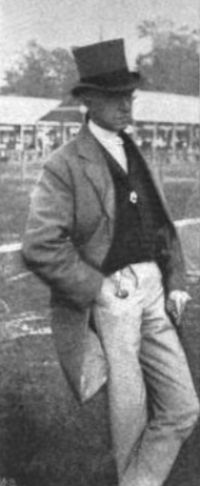
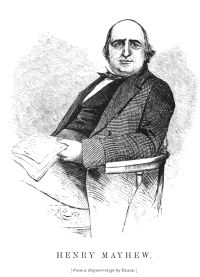
A hackney carriage, commonly referred to as a taxi or cab, is a vehicle available for hire, historically representing urban mobility and regulated transportation. Originating in 17th-century London, it transformed from modest horse-drawn carriages into modern motorized cabs, influenced by legal structures and societal expectations. Authors such as Henry Mayhew emphasized its legal differences from omnibuses, while Sir Walter Gilbey outlined its 19th-century pricing systems and limitations.
Oxford City Council’s byelaws focused on maintaining order, highlighting persistent regulatory issues. Johann Beckmann observed its equivalents in Paris, and Mrs. Alec-Tweedie chronicled its development from 1615 through to the motorized age. These viewpoints together illustrate the hackney carriage’s function as a regulated, flexible institution, linking historical methods of transport with present-day urban mobility.