Hackney horse

Definition and stakes

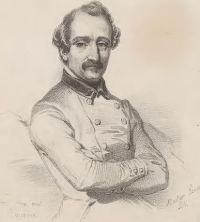
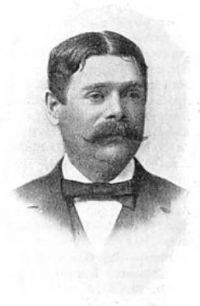
Portrait of John Gilmer Speed John Gilmer Speed,  The Horse in America

“ Originally in England the Hackney was a knock-a-bout horse, good under the saddle and in harness; but he has been bred up to large size and very heavy weight. Some of the American breeders of hackney ten or fifteen years ago when they went to England for stock to breed from paid such prices that the English laughed with delight, for they never dreamed of such a market at home. The fad is fastly dying out, and it is likely that in a few years there will not be opportunity even in the show rings for their exhibition. ”
Source: Gutenberg

William Henry Flower, Richard Lydekker, Edwin Dampier Brickwood, William Fream, and Robert Wallace,  1911 Encyclopædia Britannica, Volume 13… (1911)

“ The high hackney action is uncomfortable in a riding horse. Excellent results have sometimes followed the use of hackney sires upon half-bred mares, i.e. by thoroughbred stallions and trotting mares, but it is not always so. As regards the movement, or “action,” of the hackney, he should go light in hand, and the knee should be well elevated and advanced during the trot, and, before the foot is put down, the leg should be well extended. The hackney should also possess good hock action, as distinguished from mere fetlock action, the propelling power depending upon the efficiency of the former. ”
Source: Wikisource

W. H. Maxwell,  The Field Book: or, Sports and pastimes of the United Kingdom

“ The hackney, more than any other variety of horse, adds to our health and comfort; we ride him for amusement, and he transports us long distances on our personal avocations. On some only of these occasions speed is desirable; but on all safety is indispensable; and next to that, is the ease with which his motions are performed. These requisites remove the hackney still further than the hunter from that form which best suits the purposes of the racer. In the hackney, therefore, we scrutinise his fore quarters with the same attention that we pay to the hinder parts of the racer ”
Source: Gutenberg

Get perspective with Kwize: daily news enlightened by great literature