Insolvency law

Definition and stakes

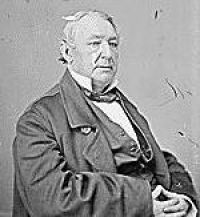
J. N. Larned,  History for ready reference, Volume 1…

“ The treatment of the insolvent was wholly different from that of the bankrupt. The bankruptcy law was founded on the principle that the goods and not the person of the debtor should be liable for the debt; the insolvency law enabled the person of the debtor to be seized, but provided no machinery for obtaining his goods. ... Up to 1838 the first step in insolvency was the arrest of the debtor. Any person who made a deposition on oath that some other person was in debt to him, could obtain his arrest on what was known as 'mesne process.' The oath might possibly be untrue ”

Source: Gutenberg

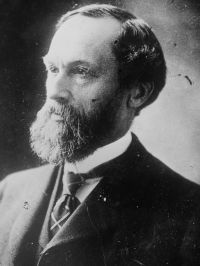
Portrait of Frederic Jesup Stimson Frederic Jesup Stimson,  Popular Law-making

“ The only tendency one can note is a broad range of legislation devised in the interest of the debtor—not only liberal insolvency laws now superseded by the national bankruptcy act, which is still more liberal than the laws of the States preceding it, but statutes restricting or delaying foreclosure of mortgages, statutes exempting a substantial amount of property, implements of trade, agricultural articles, goods, land, or even money, from the claims of his creditors. ”
Source: Gutenberg

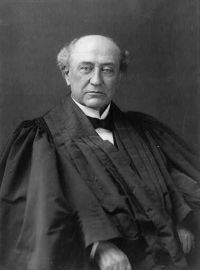
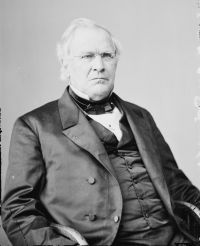
Portrait of Samuel Freeman Miller Samuel Freeman Miller,  Godfrey v. Terry — Opinion of the Court

“ If any business man or business firm does the same thing, they are, by the express terms of every bankrupt law, bankrupts. By the bankrupt law of England and of the United States, and by the insolvency laws of Massachusetts and many other States, the person or the partnership in business which is no longer able to pay its current debts as they fall due is insolvent. ”
Source: Wikisource

Get perspective with Kwize: daily news enlightened by great literature