Lazo

Definition and stakes

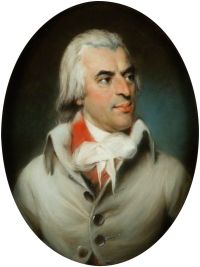
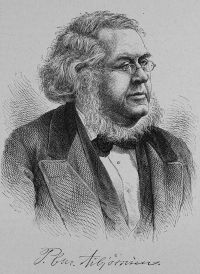
Portrait of Charles Darwin Charles Darwin,  Journal of Researches into the Natural History and Geology of the Countries Visited During the Voyage Round the World of H.M.S. Beagle Under the Command of Captain Fitz Roy…

“ The main difficulty in using either lazo or bolas is to ride so well as to be able at full speed, and while suddenly turning about, to whirl them so steadily round the head, as to take aim: on foot any person would soon learn the art. One day, as I was amusing myself by galloping and whirling the balls round my head, by accident the free one struck a bush, and its revolving motion being thus destroyed, it immediately fell to the ground, and, like magic caught one hind leg of my horse; the other ball was then jerked out of my hand, and the horse fairly secured. ”
Source: Gutenberg

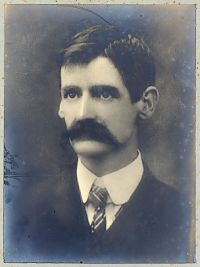
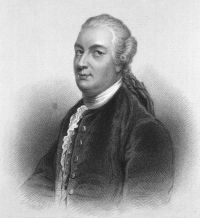
Portrait of Charlotte M. Yonge Charlotte M. Yonge,  History of Christian names (1884)

“ The true old form once comes to light in the earlier middle age as St. Elzéar, the Comte de St. Sabran, who became a devotee of St. Francis, and has had a scanty supply of local namesakes. The beggar’s name has been frequently adopted in Spain as Lazaro or Lazarillo; Italy has many a Lazzaro; Poland, shows Lazarz; Russia, Lasar; Illyria, Lazo and Laze.
Aaron’s wife was Elischeba, meaning God hath sworn, i. e. an appeal to his covenant. It recurred again in the priestly family in the Gospel period, and had become, in its Greek form, Ελισαβετ; in Latin, Elisabeth.
”
Source: Gutenberg

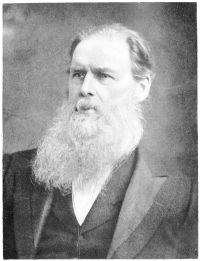
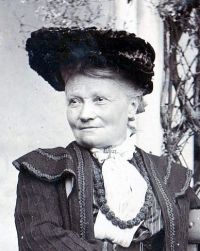
Portrait of Edward B. Tylor Edward B. Tylor,  Anahuac : or, Mexico and the Mexicans…

“ No one ever leaps anything in this country, indeed the form of the saddle puts it out of the question. One or two bulls looked up as we entered the enclosure, and bolted into other fields, pushing in among the thorns of the aloes which formed close hedges of fixed bayonets round the meadows. At last Don Juan cut off the retreat of an old bull, and galloping after him like mad, flung the running loop of the lazo over his horns, at the same time winding the other end round the pummel of his saddle. The bull was still standing on all four legs, pulling with all its might against Pancho. ”
Source: Gutenberg

Get perspective with Kwize: daily news enlightened by great literature