Lazarillo

Definition and stakes

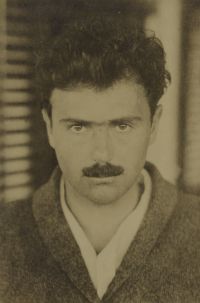
Portrait of Waldo David Frank Waldo David Frank,  Virgin Spain (1926)

“ Lazarillo embodies Spain’s methods, which are brutal. San Juan is not abstract: he is an embodiment of purpose. Lazarillo is not mere flesh: in his trickeries and thefts, there is an inverted consciousness of Spain which makes his path through Old and New Castile almost as luminous as the path of the saint.
This consciousness is marked by irony: and irony is in the weave of every picaresque design. For the Spanish rascal is no mere reaction from heroic gesture. He is reversion as well. He is moved by the same energy that has uprisen in the forms of asceticism and crusade.
”
Source: Gutenberg

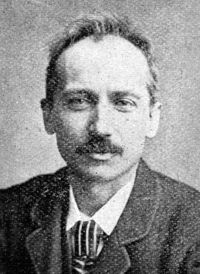
Aubrey F. G. Bell,  The Magic of Spain

“ His successive masters, the blind beggar, the miserly priest, the penniless Castilian gentleman, the rascally seller of Papal bulls, are sketched in the autobiography of their servant Lazarillo, with the keen eye of famine, and are unforgettable, as is Lazarillo himself, whose name has become the common name in Spain for a blind man’s guide, just as Victor Hugo’s immortal Gavroche gave his name to the Paris gamin. It is, in fact, a masterpiece of seven short chapters, lively in every sentence, of a direct and biting humour, perhaps the most graphic story ever penned. ”
Source: Gutenberg

George Ticknor,  History of Spanish Literature, vol…

“ The Lazarillo is a work of genius, unlike any thing that had preceded it. It is the autobiography of a boy—“little Lazarus”—born in a mill on the banks of the Tórmes, near Salamanca, and sent out by his base and brutal mother as the leader of a blind beggar; the lowest place in the social condition, perhaps, that could then be found in Spain. But such as it is, Lazarillo makes the best or the worst of it. ”
Source: Gutenberg

Get perspective with Kwize: daily news enlightened by great literature