Libertarianism

Definition and stakes

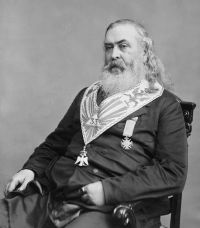
Henry Herbert Williams,  1911 Encyclopædia Britannica (1911)

“ The belief that libertarianism denies the binding force of habit or the gradual development of unchecked tendencies in character depends upon a similar misconception. The continuity of a man's life and purposes would be equally apparent whether he habitually performed the same acts and made the same decisions in virtue of his freedom of choice or as the product of necessary forces moulding his character in accordance with fixed laws. ”
Source: Wikisource

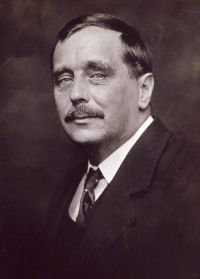
Portrait of H. G. Wells H. G. Wells,  New worlds for old: A plain account of modern socialism

“ Then to will would be to command and achieve, and within the limits of natural law we could at any moment do exactly as it pleased us to do. All other liberty is a compromise between our own freedom of will and the wills of those with whom we come in contact. In an organized state each one of us has a more or less elaborate code of what he may do to others and to himself, and what others may do to him. He limits others by his rights and is limited by the rights of others, and by considerations affecting the welfare of the community as a whole. ”
Source: Gutenberg

Portrait of Frederick Douglass Frederick Douglass,  Oration, delivered in Corinthian Hall… (1852)

“ Would you have me argue that man is entitled to liberty? that he is the rightful owner of his own body? You have already declared it. Must I argue the wrongfulness of slavery? Is that a question for Republicans? Is it to be settled by the rules of logic and argumentation, as a matter beset with great difficulty, involving a doubtful application of the principle of justice, hard to be understood? How should I look to-day, in the presence of Americans, dividing, and subdividing a discourse, to show that men have a natural right to freedom? ”
Source: Wikisource

Get perspective with Kwize: daily news enlightened by great literature