Maple sap

Definition and stakes

Lillian Elizabeth Roy,  The Woodcraft Girls at Camp

“ What kind of sap?" asked the girls curiously.
"Why, maple sap, you ninnies! Didn't you know this was a sap-bush?" laughed Zan, looking at her companions to assure herself that they were in earnest.
"I never heard of a sap-bush! I don't see any bushes!" retorted Nita.
"Ha-ha-ha! It's these maples that give us the sap for maple-sugar. I bet there's lots of maple-sugar in the house this very minute. We always come here for a few days when the farmers boil the sap down. It's one of the sports of having a farm."
”
Source: Gutenberg

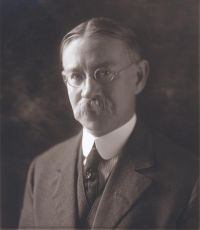
Portrait of J. Horace McFarland J. Horace McFarland,  Getting Acquainted with the Trees

“ A purely American species, and one of as much economic importance as any leaf-dropping tree, is the sugar maple, known also as rock maple—one designation because we can get sweetness from its sap, the other because of the hardness of its wood. The sugar maples of New England, to me, are more individual and almost more essentially beautiful than the famed elms. No saccharine life-blood is drawn from the elm; therefore its elegance is considered. I notice that we seldom think much of beauty when it attaches to something we can eat! ”
Source: Gutenberg

Portrait of Ann S. Stephens Ann S. Stephens,  Phemie Frost's Experiences

“ I said that strength, greenness, a full-grown trunk were necessary before sweet wholesome sap could circulate from root to top of a sugar maple. That saplings amounted to just nothing at all. In fact, they kept absorbing, but gave forth nothing; that a rich maturity was desirable before the maple became important as a forest-tree or an object of wealth.
I think he understood me—or rather he understood that I, with the exquisite intuition of genius, understood him. For right off, on that, he said that he would like to live in Vermont, and own maple-trees himself
”
Source: Gutenberg

Get perspective with Kwize: daily news enlightened by great literature