Martial law

Definition and stakes

T. M. Harris,  Assassination of Lincoln: a History of the Great Conspiracy

“ Notwithstanding this fact, I have yet to learn that any loyal man ever challenged, during all the period of our conflict for independence and nationality, the validity of that law for the trial, for military offences, by military tribunals, of all offenders, as the law, not of peace, but of war, and absolutely essential to the prosecution of war. I may be pardoned for saying that it is the accepted common law of nations, that martial law is, at all times and everywhere, essential to the successful prosecution of war, whether it be a civil or a foreign war. ”
Source: Gutenberg

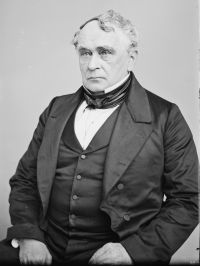
Portrait of Francis Lieber Francis Lieber,  A Code for the Government of Armies in the Field…

“ Martial Law in a conquered or invaded country, or place, is temporary Military Absolutism, in the hands of commanders, who, therefore, must take care that it does not degenerate into arbitrary despotism. Martial Law is not the reckless use of military power by the highest or lowest in arms. Military oppression is not Martial Law.
§ 5. Military Necessity, as understood by modern civilized nations, consists in the necessity of those measures which are indispensable for the obtaining of the ends of the war, and are lawful according to the modern law and usages of war.
”
Source: Gutenberg

Get perspective with Kwize: daily news enlightened by great literature