Mineral fertilizer

Definition and stakes

Tobacco: Growing, Curing, & Manufacturing

“ One soil will lay hold of the potash in a fertilizer, and fix it in a kind of chemical combination so firmly that water can dissolve it but with extreme slowness; another soil puts its grasp on the lime of a fertilizer, and at the same time allows potash which belongs to itself to be dissolved out freely. There is, in fact, always a complicated series of changes set in operation whenever any fertilizer is incorporated with the soil, be it animal, vegetable, or mineral; be it alkali, acid, or saline ”
Source: Gutenberg

Montague Free,  War Gardens: A Pocket Guide for Home Vegetable Growers

“ It is generally conceded that the best all-round fertilizer for plants is decayed barn-yard or stable manure. It not only adds fertility to the soil, but by its decay it helps to make the mineral particles soluble and thus available as plant foods. As already indicated, it also improves the physical condition of the soil, making sandy soils more retentive of moisture, and rendering clay soils more porous. When applied in the spring it should be decayed or partly decayed, as in this condition it is immediately available for the use of the crop. ”
Source: Gutenberg

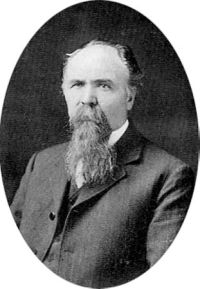
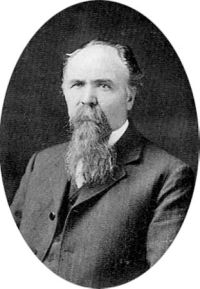
Portrait of Franklin Hiram King Franklin Hiram King,  Farmers of forty centuries (1911)

“ To understand this evolution it must be recognized that mineral fertilizers so extensively employed in modern western agriculture, like the extensive use of mineral coal, had been a physical impossibility to all people alike until within very recent years. With this fact must be associated the very long unbroken life of these nations and the vast numbers their farmers have been compelled to feed. ”
Source: Wikisource

Get perspective with Kwize: daily news enlightened by great literature