Monkhood

Definition and stakes

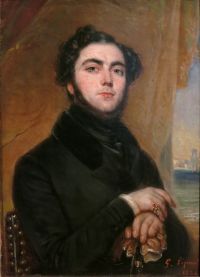
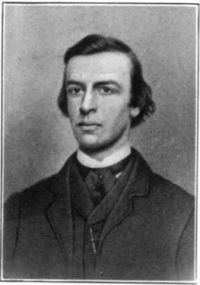
Portrait of Henry Osborn Taylor Henry Osborn Taylor,  The Mediaeval Mind (Volume 1 of 2…

“ Many bishops and priests were little better than the nobles, yet the Church preserved Christian belief and did something to improve morality. Everywhere the monk was the most striking object-lesson, with his austerities, his terror-stricken sense of sinfulness, and conviction of the peril of the world. No martial, grasping bishop, no dissolute and treacherous priest denied that the monk’s was the ideal Christian life; and the laity stood in awe, or expectation, of the wonder-working power of his asceticism. ”
Source: Gutenberg

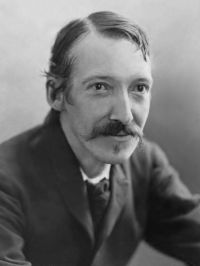
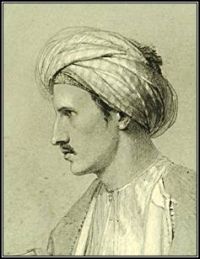
Portrait of Edward William Lane Edward William Lane,  An account of the manners and customs of the modern Egyptians (1890)

“ The prayers of the dead are recited over him, to celebrate his death to the world; and it has been said that, when he dies, he is buried without prayer; but I am informed that this is not the case. The monks are very numerous, and there are many nuns. They lead a life of great austerity; and are obliged always to wear woollen garments next the body. Every monk is distinguished by a strip of woollen stuff, of a deep blue or black colour, about four inches wide, attached beneath the turban and hanging down the back to the length of about a foot. ”
Source: Gutenberg

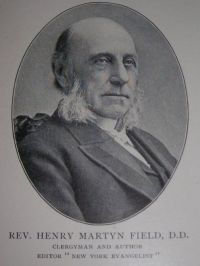
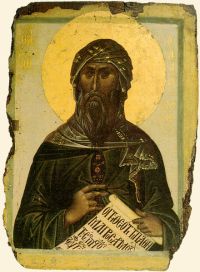
Portrait of Charles Kingsley Charles Kingsley,  The Hermits

“ And doubtless the average monk, even when well-conducted himself and in a well-conducted monastery, was, like average men of every creed, rank, or occupation, a very common-place person, acting from very mixed and often very questionable motives; and valuing his shaven crown and his sheepskin cloak, his regular hours of prayer and his implicit obedience to his abbot, more highly than he valued the fear and the love of God. ”
Source: Gutenberg

Get perspective with Kwize: daily news enlightened by great literature