Moral nature

Definition and stakes

M. Valentine,  Theoretical Ethics

“ It is through these feelings that the conscience becomes a motive power for moral life. The perception of duty alone, as purely intellectual, would be, as said, "like a mirror accurately reflecting the ethical reality passing before it, but as indifferent as the mirror." But upon the perception the emotional nature springs into action. Knowledge, if at all, always goes into effect mediately through the sensibilities in which the soul is stirred by affections and desires. ”
Source: Gutenberg

M. Valentine,  Theoretical Ethics

“ We thus sum up the constituents of man's moral nature: intelligence, the conscience, free-will, and capacities for affection and doing. Where these are united the subject is organized for knowing duty and fulfilling it. But a final fact, of profound import, needs yet to be added, not as a further faculty, but rather as a consequence resultant from the union and co-action of these endowments, viz.: that this organism of faculties presents not simply a capacity as a possibility of the moral life, but a positive, vital motive adjustment and organic pre-disposition toward it. ”
Source: Gutenberg

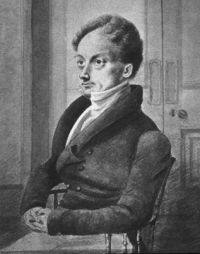
Portrait of James Frederick Ferrier James Frederick Ferrier,  Philosophical Works of the Late James Frederick Ferrier (1888)

“ This answer instantly raises the fourth question, But what is the best and noblest manner of living reasonably? Answer, By so regulating our moral nature, which is made up of reason and the passions, that reason shall govern and passion obey; in other words, by so regulating our moral nature as to develop the virtues: for the virtues arise out of the governance which reason exercises over the passions. This answer calls forward the fifth question, But how is this adjustment to be effected? by what means are the moral virtues to be developed? Answer, By means of custom. ”
Source: Wikisource

Get perspective with Kwize: daily news enlightened by great literature