Motor bus

Definition and stakes

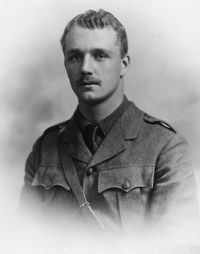
Portrait of Arnold Bennett Arnold Bennett,  The Author's Craft

“ An impressive thing happens. The motor-bus reluctantly slackens and stops. Not the differential brake, nor the foot-brake, has arrested the motor-bus, but the invisible brake of public opinion, acting by administrative transmission. There is not a policeman in sight. Theoretically, the motor-'bus is free to whiz onward in its flight to the paradise of Shoreditch, but in practice it is paralysed by dread. A man in brass buttons and a stylish cap leaps down from it, and the blackened demon who sits on its neck also leaps down from it, and they move gingerly towards the puppy. ”
Source: Gutenberg

George R. Chatburn,  Highways and Highway Transportation

“ There seems to be another feasible and legitimate use for the motor bus which may help the street car companies as well. That is extensions by means of buses at the ends of the car lines or into territory not well served by them. The bus might collect passengers from an outlying district and bring them to the car line where the trolley can take them on to the heart of the city. Thus motor buses will become feeders rather than competitors of the regularly established traction lines. ”
Source: Gutenberg

George R. Chatburn,  Highways and Highway Transportation

“ A rail-motor bus following the main features of the street bus and embodying “the same elements of simplicity in construction, reliability in performance, flexibility in operation, light weight, and low first cost,” [164] has been built and operated at an average of 14 miles to the gallon of gasoline, a sufficient indication that it can save in operating expenses. The car weighs 11,000 pounds and has a maximum speed of 30 miles per hour, and when required trailers may be used without materially decreasing the speed. ”
Source: Gutenberg

Get perspective with Kwize: daily news enlightened by great literature