Naturalized citizen

Definition and stakes

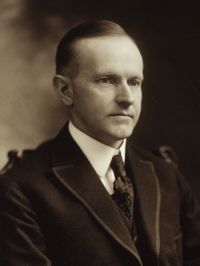
Horace Gray,  United States v. Wong Kim Ark…

“ The power of naturalization, vested in Congress by the Constitution, is a power to confer citizenship, not a power to take it away. "A naturalized citizen," said Chief Justice Marshall,
becomes a member of the society, possessing all the rights of a native citizen, and standing, in the view of the Constitution, on the footing of a native. The Constitution does not authorize Congress to enlarge or abridge those rights. The simple power of the National Legislature is to prescribe a uniform rule of naturalization, and the exercise of this power exhausts it so far as respects the individual.
”
Source: Wikisource

Jack Maskell,  Qualifications for President and the “Natural Born” Citizenship Eligibility Requirement (2011)

“ Earlier federal court cases gave credibility to this version of who would be a native or natural born citizen, as opposed to a “naturalized” citizen. As explained by the Supreme Court in Wong Kim Ark:
Every person born in the United States, and subject to the jurisdiction thereof, becomes at once a citizen of the United States, and needs no naturalization.
”
Source: Wikisource

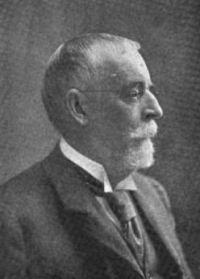
Portrait of Thomas Curtis Clarke Thomas Curtis Clarke,  American Pocket Library of Useful Knowledge (1841)

“ The mockery too frequently enacted in their administration, in at least some of our courts, is matter of pain and humiliation, and to none more so than the intelligent naturalized citizen himself.
Children of naturalized citizens, if under twenty-five years of age at the time of their parents’ naturalization, shall, if dwelling in the United States, be considered as citizens. An alien having declared his intention, and dying before he was naturalized, his widow and children, on taking the oaths prescribed, shall be entitled to all the rights of citizenship.
”
Source: Wikisource

Get perspective with Kwize: daily news enlightened by great literature