Oviparity

Definition and stakes

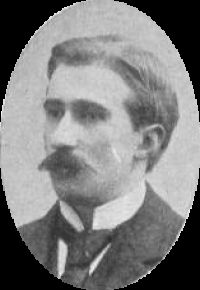
Portrait of W. J. Holland W. J. Holland,  The butterfly guide (1915)

“ The internal organs of reproduction in the female consist of the ovaries, from which the eggs pass by way of the oviduct to the ovipositor, which in butterflies is not so conspicuous or remarkable an organ as is the case in many other insects. Communicating with the oviduct are the spermatothecæ, which are receptacles in which is retained the fertilizing fluid received from the male at the time of coition. As the eggs, one by one, are passed from the ovaries into the oviduct, they are impregnated through absorption of the spermatozoa, which enter their walls, imparting to them vitality. ”
Source: Gutenberg

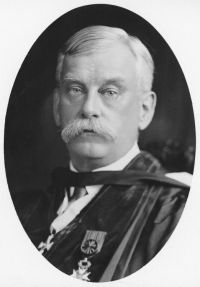
Portrait of Thomas Henry Huxley Thomas Henry Huxley,  The Perpetuation of Living Beings…

“ This process is brought about, as we all know, by the sexual intercourse of the two sexes, and is called the act of impregnation. The result of this act on the part of the male and female is, that the formation of a new being is set up in the ovule or egg; this ovule or egg soon begins to be divided and subdivided, and to be fashioned into various complex organisms, and eventually to develop into the form of one of its parents, as I explained in the first lecture. These are the processes by which the perpetuation of organic beings is secured. ”
Source: Gutenberg

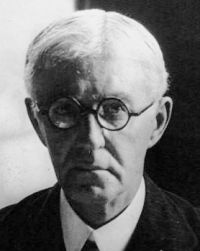
Various,  Popular Science Monthly (1912)

“ It has been possible to prove that the mere presence of an anatomically normal reproductive system, including a normal ovary with a full complement of ova, and a normal
oviduct, is not enough to insure that a hen shall lay eggs, that is, exhibit actual as well as potential fecundity. While comparatively very rare, cases do occur in which a bird possesses a perfect ovary and perfect oviduct and is in all other respects entirely normal and healthy, yet never lays even a single egg in her life time.
”
Source: Wikisource

Get perspective with Kwize: daily news enlightened by great literature