Oyster bed

Definition and stakes

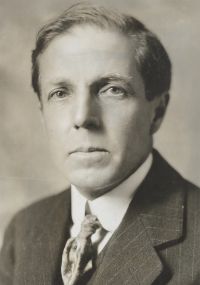
Portrait of Frederick O'Brien Frederick O'Brien,  Atolls of the Sun

“ A diver with a suit cannot go any deeper, and so we never have explored the possible beds ’way down. The whole face of the outer reef may be a vast oyster-bed, but the surf prevents us from investigating. I have seen in December and March of many years millions of baby oysters floating into the lagoons with the rising tide, to remain there. They never go out again but prefer the quiet life where they can grow up strong and big. The singular thing about these pearl-oysters is that they can move about. ”
Source: Gutenberg

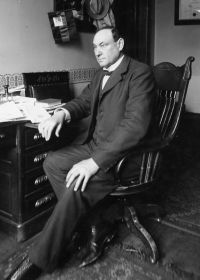
Portrait of William Henry Giles Kingston William Henry Giles Kingston,  A Yacht Voyage Round England

“ Rules have been made for the preservation of oysters, and to allow of new beds being formed. Oysters require nursing, and unless the beds were carefully preserved and reconstructed, they would disappear. The beds are level banks of no great depth, which are seldom or never uncovered by the tide. The first important business, when preparing a bed on which the oyster may spawn, or spat, as it is called, is to sprinkle over it broken plates and pans and tiles, with empty shells and such like substances, to which the embryo oyster immediately attaches itself. ”
Source: Gutenberg

Lewis E. Theiss,  The Young Wireless Operator—With the Oyster Fleet

“ But the full connection between a slick and an oyster-bed below it was not apparent to Alec until he read, "The oyster larvæ, though free-swimming, move so slowly that they are carried about by the currents much as grains of sand would be. They, [Pg 177] therefore, tend to collect in these regions of slicks and eddies, along with a host of other microscopic plants and animals. In such places there occurs a heavier set of spat than elsewhere in that neighborhood. Find the oyster larvæ in the water, then get your shells under them." ”
Source: Gutenberg

Get perspective with Kwize: daily news enlightened by great literature