Eocene

Definition and stakes

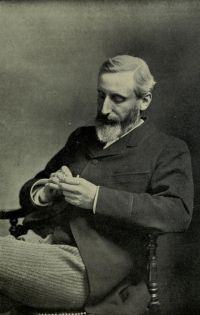
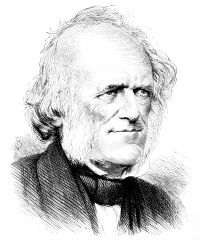
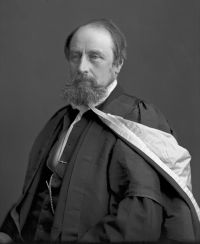
Portrait of Sir Charles Lyell Sir Charles Lyell,  The Student's Elements of Geology

“ The number of exotic forms which are common to the Eocene and Miocene strata of Europe, like those to be alluded to in the sequel which are common to the Eocene and Cretaceous fauna, demonstrate the remoteness of the times in which the geographical distribution of living plants originated. A great majority of the Eocene genera have disappeared from our temperate climates, but not the whole of them; and they must all have exerted some influence on the assemblages of species which succeeded them. ”
Source: Gutenberg

John Anderson,  The course of creation (1851)

“ In the language of geology it is called the eocene age of the world, because it approaches in its organic productions to those which are now existing, and containing a very few recent species, not more than three or four per cent. Nature did not all at once leap from one epoch to another. In the tertiary deposits there is evidence of successive creations, rests and pauses, as it were, before the final and crowning consummation of her works. ”
Source: Gutenberg

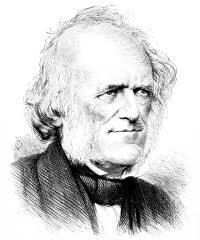
Portrait of Sir Charles Lyell Sir Charles Lyell,  The Student's Elements of Geology

“ In thus inverting what might at first seem to be the more natural order of historical research, we must bear in mind that each of the periods above enumerated, even the shortest, such as the Post-tertiary, or the Pliocene, Miocene, or Eocene, embrace a succession of events of vast extent, so that to give a satisfactory account of what we already know of any one of them would require many volumes. ”
Source: Gutenberg

Get perspective with Kwize: daily news enlightened by great literature