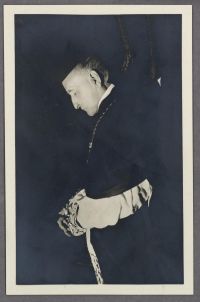
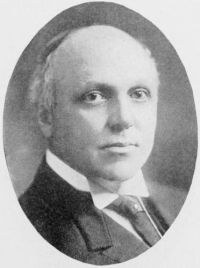
A parish church, central to Christian communities, functions as the spiritual and often social heart of a parish, reflecting both religious devotion and architectural variety. Historically, it has been a cornerstone of local life, from medieval Europe to contemporary movements such as the Slow Church initiative. Authors like Francis Aidan Gasquet underscored its medieval significance as a communal treasure, where villagers worked together to preserve its beauty and sacred duties.
William Wordsworth portrayed it as a symbolic connection between the living and the dead, while Sabine Baring-Gould emphasized its links to ancestral traditions and local identity. Norman Maclean’s poetic vision of a churchyard embracing generations highlights its lasting role as a site of unity and remembrance. These viewpoints together reveal the parish church as a vibrant institution, linking faith, community, and cultural continuity.
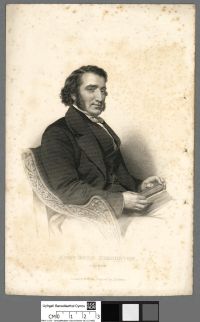
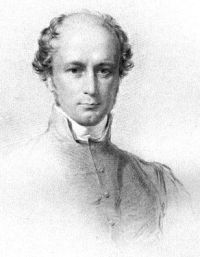 William James Early Bennett,
A Pastoral Letter to the Parishioners of Frome
(1852)
William James Early Bennett,
A Pastoral Letter to the Parishioners of Frome
(1852)