Peace process

Definition and stakes

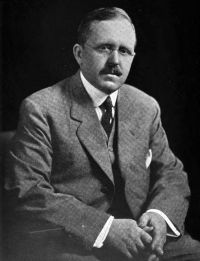
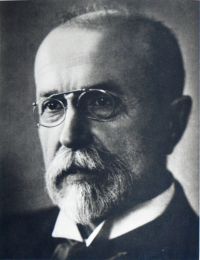
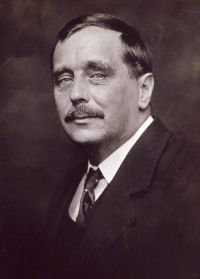
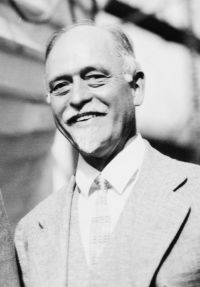
Portrait of Hamilton Holt Hamilton Holt,  The Federation of the World (1910)

“ Force, therefore, or war, as it is called when exerted by a nation against another nation, is at present the only legal and final method of settling international differences. In other words the nations are in that stage of civilization today where without a qualm they claim the right to settle their disputes in a manner they would put their own subjects to death for imitating. The peace movement, therefore, is nothing but the process of substituting law for war. ”
Source: Wikisource

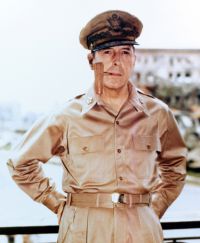
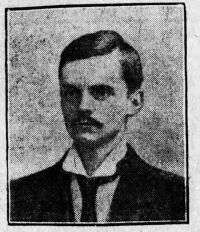
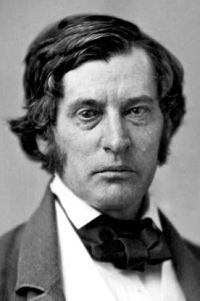
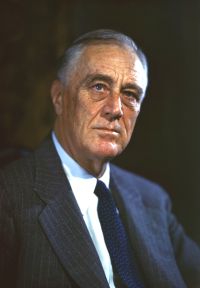
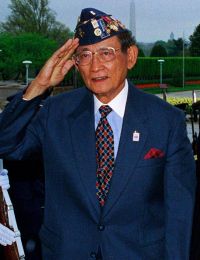
Portrait of Fidel V. Ramos Fidel V. Ramos,  Second State of the Nation Address

“ This is why we are seeking a comprehensive and lasting peace. As proposed by the National Unification Commission, we will pursue the "paths to peace" by undertaking social, economic and political reforms that address the root causes of armed conflict; by encouraging people to participate in the peace process; by working for a negotiated settlement with the armed groups; and by establishing programs for the reintegration of rebel groups into the mainstream of society through a general amnesty program. At the same time, let us effect the modernization of our Armed Forces. ”
Source: Wikisource

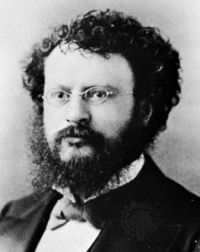
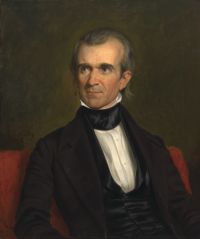
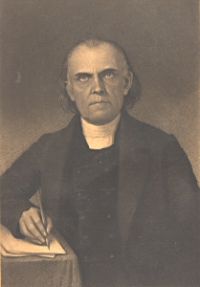
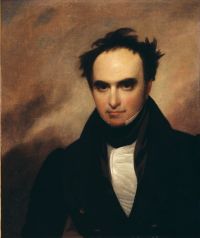
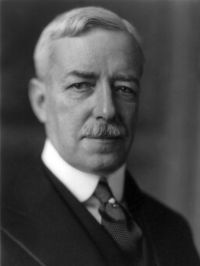
Portrait of John Fiske John Fiske,  American Political Ideas Viewed from the Standpoint of Universal History

“ In the earlier stages of civilization, the possibility of peace can be guaranteed only through war, but the preponderant military strength is gradually concentrated in the hands of the most pacific communities, and by the continuance of this process the permanent peace of the world will ultimately be secured. Illustrations from the early struggles of European civilization with outer barbarism, and with aggressive civilizations of lower type. ”
Source: Gutenberg

Get perspective with Kwize: daily news enlightened by great literature