Peregrine falcon

Definition and stakes

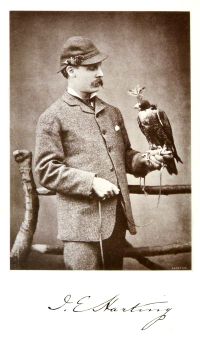
Various,  The Catholic World, Vol. 01, April to September…

“ When a peregrine falcon will "wait on," as it is called, at the height of a hundred or a hundred and fifty yards above her master, as he beats the moors for her, and, when the birds rise, chase them with almost the speed of an arrow; when she is sure to kill, unless the grouse escapes in cover; when she will not attempt to "carry" her game, even should a dog run by her, and when she is ready to fly two or three times in one morning—it can easily be imagined, even by those who know nothing of falconry, that she has reached excellence. ”
Source: Gutenberg

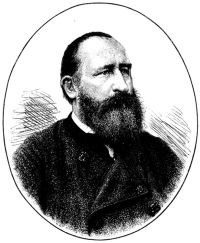
Portrait of Alfred Edmund Brehm Alfred Edmund Brehm,  From North Pole to Equator: Studies of Wild Life and Scenes in Many Lands (1896)

“ On the broad, fan-like leaves of the magnificent duleb-palm, which stand out horizontally from the trunk, the nests of the dwarf peregrine falcon and the guinea-dove often stand so close together that the falcon could easily grasp one of his neighbour’s young ones. But he does not touch them, for he is only accustomed to attack birds on the wing, and thus the little doves grow up in safety beside the little falcons, and the parents of both often sit peacefully beside each other, near their respective nests. ”
Source: Gutenberg

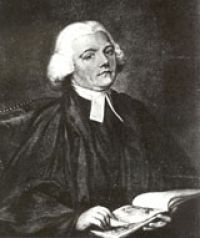
Portrait of Gilbert White Gilbert White,  The Natural History of Selborne…

“ One of the keepers of Wolmer-forest sent me a peregrine falcon, which he shot on the verge of that district as it was devouring a wood-pigeon. The falco peregrinus, or haggard falcon, is a noble species of hawk seldom seen in the southern counties. In winter 1767 one was killed in the neighbouring parish of Faringdon, and sent by me to Mr. Pennant into North Wales.* Since that time I have met with none till now. ”
Source: Wikisource

Get perspective with Kwize: daily news enlightened by great literature