Player (theatre)

Definition and stakes

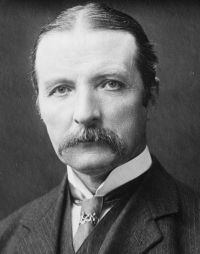
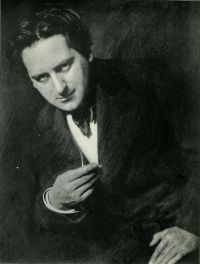
Portrait of Cavendish Morton Cavendish Morton,  The Art of Theatrical Make-up

“ Like an electrode the actor stands collecting the currents of dramatic beauty that pervade the world, and discharges them into the tense atmosphere of the theatre.
It is the player's duty not only to lend life to the part that he plays, he should present the character in such a way that the spirit of each member of his audience moves in accord with it. If his appeal is strong it will weld the minds of his individual spectators into a kind of composite intelligence.
”
Source: Gutenberg

Clayton Meeker Hamilton,  The Theory of the Theatre, and Other Principles of Dramatic Criticism

“ The actor of the "old school," as we are now fond of calling him, was compelled by the physical conditions of the theatre to keep within the focus of the footlights, and therefore in close proximity to the spectators. He could take the audience into his confidence more readily than can the player of the present. Sometimes even now an actor steps out of the picture in order to talk intimately with the audience; but usually at the present day it is customary for actors to seem totally oblivious of the spectators and remain always within the picture on the stage. ”
Source: Gutenberg

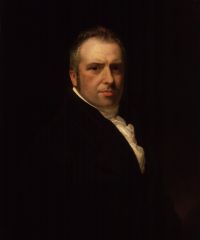
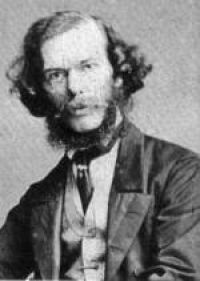
Portrait of Dutton Cook Dutton Cook,  A Book of the Play

“ It is rather the public than the player that strolls nowadays. The theatre is stationary—the audience peripatetic. The wheels have been taken off the cart of Thespis. Hamlet's line, "Then came each actor on his ass," or the stage direction in the old "Taming of the Shrew" (1594) , "Enter two players with packs on their backs," no longer describes accurately the travelling habits of the histrionic profession. ”
Source: Gutenberg

Get perspective with Kwize: daily news enlightened by great literature