Prairie wolf

Definition and stakes

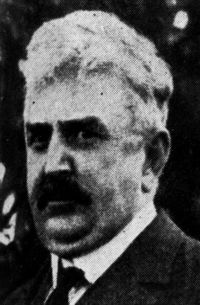
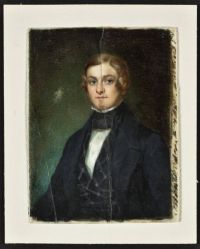
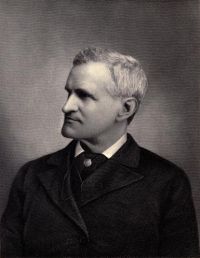
Portrait of William Cullen Bryant William Cullen Bryant,  Letters of a Traveller; Or, Notes of Things Seen in Europe and America

“ The prairie-wolf is not so formidable an animal as the name of wolf would seem to denote; he is quite as great a coward as robber, but he is exceedingly mischievous. He never takes full-grown sheep unless he goes with a strong troop of his friends, but seizes young lambs, carries off sucking-pigs, robs the henroost, devours sweet corn in the gardens, and plunders the water-melon patch. A herd of prairie-wolves will enter a field of melons and quarrel about the division of the spoils as fiercely and noisily as so many politicians. ”
Source: Gutenberg

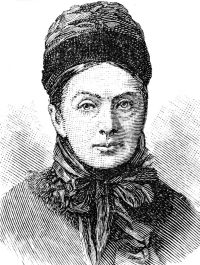
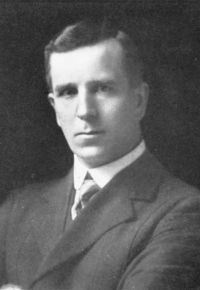
Portrait of Francis Parkman Francis Parkman,  The Oregon Trail: Sketches of Prairie and Rocky-Mountain Life

“ He was of the species called the prairie wolf; a grim-visaged, but harmless little brute, whose worst propensity is creeping among horses and gnawing the ropes of raw hide by which they are picketed around the camp. But other beasts roam the prairies, far more formidable in aspect and in character. These are the large white and gray wolves, whose deep howl we heard at intervals from far and near. ”
Source: Gutenberg

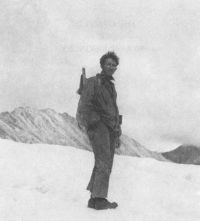
Thomas Jefferson Farnham,  Farnham's Travels in the Great Western Prairies…

“ The small prairie wolf which had howled us to sleep every evening, and howled us awake every morning since we left Independence, was continually greeting us with an ill-natured growl, as we rode along among his hiding places. The streams that were mere rivulets twenty miles back, having received a thousand tributaries, were now heavy and deep torrents. The peaks and mountain swells were clad with hail and snow. Every thing, even ourselves, shivering in our blankets, gave evidence that we were traversing the realms of winter. ”
Source: Gutenberg

Get perspective with Kwize: daily news enlightened by great literature