Pre-Columbian history

Definition and stakes

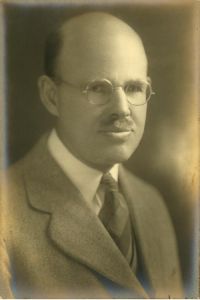
Portrait of A. L. Kroeber A. L. Kroeber,  Anthropology (1923)

“ It may now be worth while to apply this method on a larger scale and endeavor to outline the pre-Columbian history of the western hemisphere, which, with some brief and late exceptions in Mexico and Peru, is equally dateless. The cultural connections of native America with the Old World are generally conceded to have been slight: its civilization represents the most important one that in the main developed independently of the Eur-Asiatic nexus. ”
Source: Gutenberg

Narrative and Critical History of America…

“ It is still a doubt how far we exchange myths for assured records, when we enter upon the problems of pre-Columbian explorations, which it is the object of the present chapter to discuss. We are to deal with supposable colonizations, from which the indigenous population of America, as the Spaniards found it, was sprung, wholly or in part; and we are to follow the venturesome habits of navigators, who sought experience and commerce in a strange country, and only incidentally left possible traces of their blood in the peoples they surprised. ”
Source: Gutenberg

J. N. Larned,  History for ready reference, Volumes 1 to 5 (1895)

“ All the stone pueblo ruins, all the clay ruins, all the cliff dwellings, all the crater villages, all the cavate chambers, and all the tufa-block houses are fully accounted for without resort to hypothetical peoples inhabiting the country anterior to the Indian tribes. ... Pre-Columbian culture was indigenous; it began at the lowest stage of savagery and developed to the highest, and was in many places passing into barbarism when the good queen sold her jewels. ”
Source: Gutenberg

Get perspective with Kwize: daily news enlightened by great literature