Proteolysis

Definition and stakes

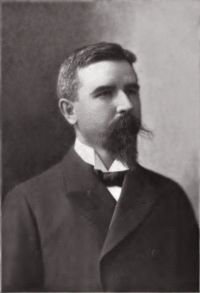
Portrait of R. H. Chittenden R. H. Chittenden,  On Digestive Proteolysis

“ It is very evident from what has been said that all forms of proteid matter, i.e., all the members of the three main groups spoken of in our classification of the proteids, excepting only nuclein, reticulin, and the keratins, are capable of undergoing proteolysis with pepsin-hydrochloric acid. Further, in every case the main products of the transformation are proteoses; viz., albumoses, caseoses, gelatoses, vitelloses, myosinoses, etc., according to the nature of the proteid undergoing proteolysis; true peptones being formed in less abundance. ”
Source: Gutenberg

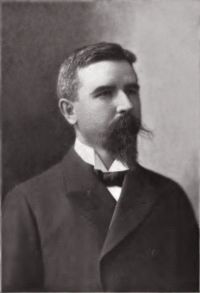
Portrait of R. H. Chittenden R. H. Chittenden,  On Digestive Proteolysis

“ These facts at once raise the question whether the products of proteolysis may not have a stronger affinity for acid than the native proteids; an affinity so strong that they may be able to withdraw acid from the acid-albumin first formed. One of our conceptions regarding pepsin-proteolysis is that acid is necessary for every step in the proteolytic process. ”
Source: Gutenberg

Portrait of R. H. Chittenden R. H. Chittenden,  On Digestive Proteolysis

“ Leucocytes, then, can play no direct part in the absorption of the products of proteolysis from the intestine; the lymph is normally free from both proteoses and peptones, and the leucocytes plainly have no power to transform these bodies into other forms. They can only utilize the proteid material elaborated from the products of proteolysis by other agencies. ”
Source: Gutenberg

Get perspective with Kwize: daily news enlightened by great literature