Trypsin

Definition and stakes

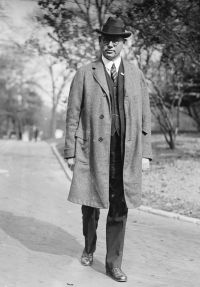
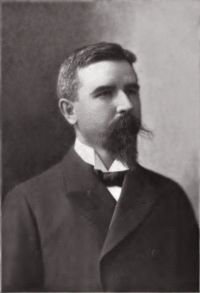
Portrait of R. H. Chittenden R. H. Chittenden,  On Digestive Proteolysis

“ It is to be remembered, however, that the very nature of the proteid molecule precludes the possibility of anything like a complete decomposition into crystalline or other simple products. Full fifty per cent. of the peptone formed must be antipeptone, which cannot be further changed by trypsin under any circumstances, so that, whether the amount of proteid in the intestine be large or small, or whether it is exposed for a longer or shorter period to trypsin-proteolysis, there will always be a fairly large amount for absorption. ”
Source: Gutenberg

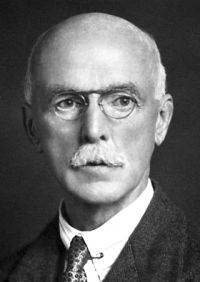
Portrait of R. H. Chittenden R. H. Chittenden,  On Digestive Proteolysis

“ In general properties and reactions, pepsin and trypsin may be closely related; both are products of the katabolic action of specific protoplasmic cells, but the inner nature or structure of the two must be quite different. Pepsin, as we have seen, is powerless to produce any change in proteid bodies unless acids are present to lend their aid. Furthermore, pepsin is limited in its action to the production of proteoses and peptones, while trypsin gives rise to a series of hydrolytic cleavages which result in the ultimate formation of comparatively simple bodies. ”
Source: Gutenberg

Portrait of R. H. Chittenden R. H. Chittenden,  On Digestive Proteolysis

“ As an illustration, may be mentioned the myosin-antialbumid formed in the digestion of myosin from muscle-tissue by an alkaline trypsin-solution. This body contains 57.48 per cent. of carbon, 7.67 per cent. of hydrogen, 13.94 per cent. of nitrogen, 1.32 per cent. of sulphur, and 19.59 per cent. of oxygen.177 It is only necessary to compare these figures with those expressive of the composition of myosin-antipeptone, to appreciate how wide a gap there is between these two products of trypsin-proteolysis, and both members of the anti-group. ”
Source: Gutenberg

Get perspective with Kwize: daily news enlightened by great literature