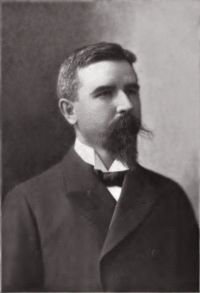
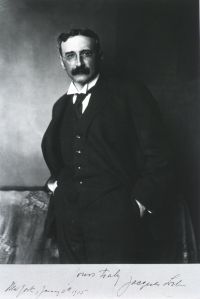
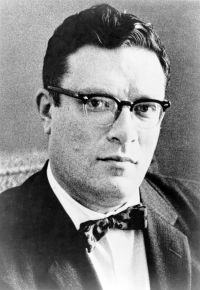
An enzyme is a protein that functions as a biological catalyst, speeding up chemical reactions without being consumed. By reducing activation energy, enzymes allow metabolic processes to proceed efficiently, with their specificity dictated by their three-dimensional structure. Authors such as Roscoe Wilfred Thatcher underscored the enzymes' selective interaction with substrates, classifying them as hydrolases, oxidases, or reductases.
Arthur Harden investigated the interactions between enzymes and coenzymes, while Joseph Turney Wood likened their catalytic effectiveness to that of inorganic catalysts. The "Popular Science Monthly" emphasized the enzymes' reversibility and widespread presence in life processes, pointing out their roles in both animal and plant systems. Enzymes' responsiveness to temperature, pH, and inhibitors, combined with their applications in industries ranging from laundry detergents to pharmaceuticals, highlights their dual importance in biology and human advancement.
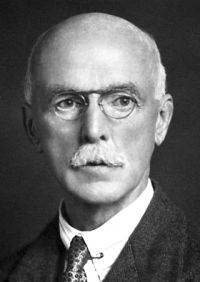 Arthur Harden,
Alcoholic Fermentation
Arthur Harden,
Alcoholic Fermentation