Sucrose

Definition and stakes

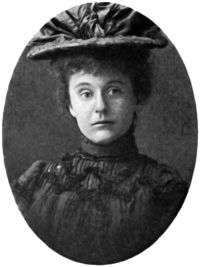
Portrait of Roscoe Wilfred Thatcher Roscoe Wilfred Thatcher,  The Chemistry of Plant Life

“ Glucose (often called also dextrose, fruit sugar, or grape sugar) occurs widely distributed in plants, most commonly in the juices of ripening fruits, where it is usually associated with fructose and sucrose, the two hexoses being easily derived from sucrose by hydrolysis. Glucose is also produced by the hydrolysis of many of the more complex carbohydrates, by the action either of enzymes or of dilute acids; lactose, maltose, raffinose, starch, and cellulose, as well as many glucosides all yielding glucose as one of the products of their hydrolysis. ”
Source: Gutenberg

George Morrison Rolph,  Something about sugar (1917)

“ It is interesting to note that while the cane is growing and in an unripe state, there is no discernible sucrose or pure sugar in it. As the ripening process goes on, the content of the cane juice is changed by the action of the sun’s rays, and the amount of sucrose as determined by polariscopic test shows when the time for harvesting is at hand. Nature’s operation in thus changing glucose or invert sugar into sucrose or pure sugar cannot be accomplished by any human means. ”
Source: Gutenberg

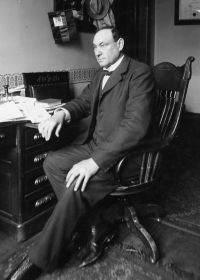
Portrait of Harvey Washington Wiley Harvey Washington Wiley,  Foods and Their Adulteration

“ Honey preserve [40] is preserve in which honey is used in place of sugar (sucrose) sirup.
7. Glucose preserve [40] is preserve in which a glucose product is used in place of sugar (sucrose) sirup.
8. Jam, marmalade, [40] is the sound product made from clean, sound, properly matured and prepared fresh fruit and sugar (sucrose) , with or without spices or vinegar, by boiling to a pulpy or semisolid consistence, and conforms in name to the fruit used, and in its preparation not less than forty-five (45) pounds of fruit are used to each fifty-five (55) pounds of sugar.
”
Source: Gutenberg

Get perspective with Kwize: daily news enlightened by great literature