Trypanosomiasis

Definition and stakes

E. R. Stitt,  The diagnostics and treatment of tropical diseases (1922)

“ An abundance of polymorphonuclear and eosinophilic leucocytes indicates an infection with pyogenic organisms, in which cloudy fluid is the rule.
Meningism shows very few cells.
Trypanosomiasis gives a cellular increase very similar to syphilis. In the work of the French Sleeping Sickness Commission five cells per cubic millimeter was taken as normal.
Not only may trypanosomes be found in the spinal fluid, when they mark the setting in of the “sleeping sickness” stage of trypanosomiasis, but a case has been reported of the presence of Trichinella embryos in the spinal fluid.
”
Source: Gutenberg

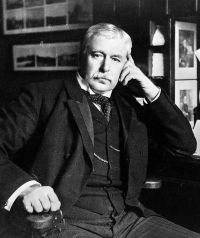
Portrait of Patrick Manson Patrick Manson,  Tropical Diseases (1919)

“ Treatment.—— Although something may be done to relieve symptoms and delay the fatal issue in the sleeping-sickness stage of trypanosomiasis, it is only in the earlier stages of the infection and by the persistent and energetic use of arsenic or antimony, or both, that a cure can be effected, and that in a proportion of cases only. Other drugs have been shown to have some influence on the trypanosome infections of the lower animals, but their therapeutic value in those of man is practically negligible. ”
Source: Wikisource

Portrait of Patrick Manson Patrick Manson,  Tropical Diseases (1919)

“ History.—— Although its true etiology was not apprehended until quite recently, sleeping sickness, the terminal phase of African trypanosomiasis, has been known for over a century.
The occurrence of trypanosomes in animals has been recognized for at least sixty years, first in cold-blooded vertebrates, later in mammals. The best-known and first-described mammalian species is that of the rat (Trypanosoma lewisi) . It was discovered by Lewis, in 1879, in Calcutta. In the following year Evans described a similar parasite (T.evansi) in the blood of horses in India
”
Source: Wikisource

Get perspective with Kwize: daily news enlightened by great literature