Epidemiology

Definition and stakes

Kristin Harper; George Armelagos,  The Changing Disease-Scape in the Third Epidemiological Transition…

“ Therefore, a model that helps explain a major transition in the human disease-scape is viewed as useful, providing insight into ultimate causes and possible solutions aimed at improving health. In contrast, in epidemiology investigators are often concerned with one disease at a time. The identification of a novel pathogen or the characterization of a new disease requires epidemiologists to pinpoint, as quickly as possible, the properties specific to it: risk factors, life cycle, ecology, vectors, treatments, etc. ”
Source: Wikisource

Warren T. Vaughan,  Influenza (1921)

“ Lancaster, Pa.
iii PREFACE. Following every widespread epidemic or pandemic of influenza, the contemporary literature becomes virtually flooded with reports of scientific studies on the etiology and the epidemiology of the disease. By the time that recrudescences have ceased, interest has usually lagged and eventually research in this subject has practically ceased, only to be revived with the development of the next extensive epidemic.
”
Source: Gutenberg

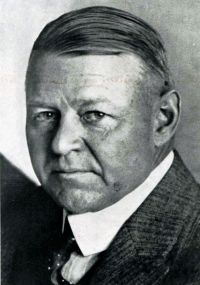
Portrait of Samuel Hopkins Adams Samuel Hopkins Adams,  The Health Master

“ As for reporting, you can’t combat a disease until you know where it is established and whither it is spreading. So, I say, any health officer who succeeds in spurring up the medical profession, and in dragging the Great White Plague out of its lurking-places into the light of day ought to have a medal.”
“What about the other diseases? Is the same true of them?”
“Not to the same extent. No man can tell when or why the epidemic diseases—scarlet fever, measles, whooping-cough, and diphtheria—come and go. By the way, what about your diphtheria death rate here?”
”
Source: Gutenberg

Get perspective with Kwize: daily news enlightened by great literature