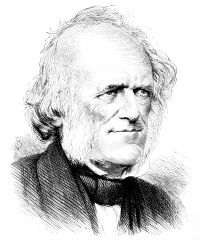
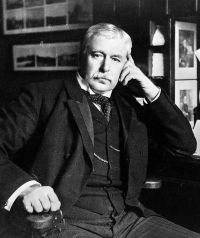
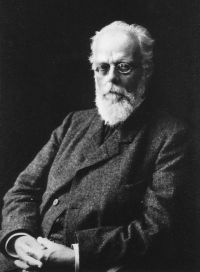
The concept of "endemic" refers to species or ecosystems that are exclusively found in a particular geographic area, often shaped by isolation and environmental factors. This topic has been examined by naturalists and ecologists, who emphasize its significance for biodiversity and evolutionary processes. Charles Darwin highlighted the abundance of endemic species on oceanic islands, linking their distinctiveness to restricted dispersal and adaptive divergence. Frederic E.
Clements approached endemism from an ecological perspective, observing how physical barriers and habitat specialization contribute to the development of endemic species, while also recognizing the challenges in defining and categorizing such phenomena. His research underscores the interaction between geographic limitations, species transformation, and human impact in shaping endemism. The theme thus illustrates a complex relationship between isolation, adaptation, and ecological differentiation, highlighting both the vulnerability and uniqueness of regionally confined life forms.
 Charles Darwin,
On The Origin of Species
(1859)
Charles Darwin,
On The Origin of Species
(1859)