Bathurst

Definition and stakes

1911 Encyclopædia Britannica (1910)

“ Bathurst has broad streets, crossing one another at right angles, with a handsome park in the centre of the town, while many of the public buildings, specially the town hall, government buildings, and Anglican and Roman Catholic cathedrals, are noteworthy. Bathurst is the centre of the chief wheat-growing district of New South Wales, while gold, copper and silver are extensively mined in its vicinity. There are railway works, coach factories, tanneries, breweries, flour-mills and manufactures of boots and shoes and other commodities. ”
Source: Wikisource

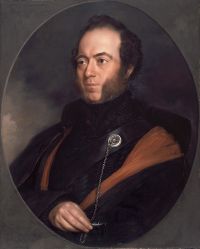
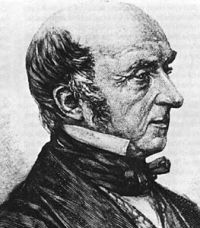
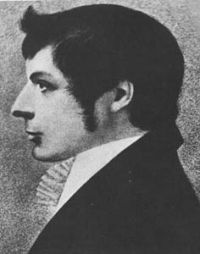
Portrait of John Oxley John Oxley,  Journals of Two Expeditions into the Interior of New South Wales

“ We were detained at Bathurst by rainy unfavourable weather until the nineteenth, when the morning proving fine, the BAT horses, with the remainder of the provisions, baggage, and instruments, were sent off, we intending to follow them the ensuing morning.
Bathurst had assumed a very different appearance since I first visited it in the suite of his excellency the Governor in 1815. The industrious hand of man had been busy in improving the beautiful works of nature
”
Source: Gutenberg

1911 Encyclopædia Britannica (1911)

“ Fully four-fifths of the natives are Mahommedans. The few European residents are officials, traders or missionaries. Towns and Trade.—Bathurst, pop. about 8000, the chief town of the colony, in 13° 24′ N., 16° 36′ W., is built on St Mary’s Island, which lies at the mouth of the river near its south bank and is connected with the mainland by a bridge across Oyster Creek. It was founded in 1816 and is named after the 3rd earl Bathurst, secretary of state for the colonies from 1812 to 1827. Bathurst is a fairly well-built town, the chief material employed being red sandstone. ”
Source: Wikisource

Get perspective with Kwize: daily news enlightened by great literature