Retail price

Definition and stakes

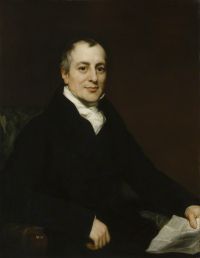
Portrait of John Stuart Mill John Stuart Mill,  Principles of Political Economy (1871)

“ But retail price, the price paid by the actual consumer, seems to feel very slowly and imperfectly the effect of competition; and when competition does exist, it often, instead of lowering prices, merely divides the gains of the high price among a greater number of dealers. Hence it is that, of the price paid by the consumer, so large a proportion is absorbed by the gains of retailers; and any one who inquires into the amount which reaches the hands of those who made the things he buys, will often be astonished at its smallness. ”
Source: Wikisource

Edmond Kelly,  Twentieth Century Socialism: What It Is Not…

“ Now it is well known that under present conditions the retail price of any manufactured article comprises about one-third for actual cost of production, one-third for manufacturer's profits and accounting costs, and one-third for selling costs. In other words, every such article, when it reaches the ultimate consumer, is weighted down with a load of barnacles of trade-profits of innumerable middlemen, rents, dividends, cost of advertising, and other trade-getting devices, etc., etc. ”
Source: Gutenberg

Get perspective with Kwize: daily news enlightened by great literature