Runaway slave

Definition and stakes

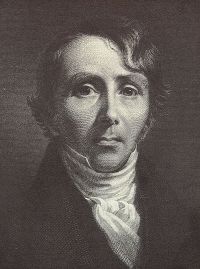
American Anti-Slavery Society,  The Anti-Slavery Examiner, Omnibus

“ The blacks frequently deceive the dogs by crossing and recrossing the creeks. Should the hunters who have no dogs, start a slave from his hiding place, and the slave not stop at the hunter's call, he will shoot at him, as soon as he would at a deer. Some masters advertise so much for a runaway slave, dead or alive. It undoubtedly gives such more satisfaction to know that their property is dead, than to know that it is alive without being able to get it. Some slaves run away who never mean to be taken alive. ”
Source: Gutenberg

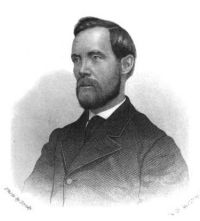
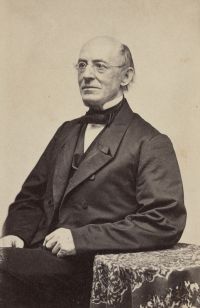
Portrait of Charles Ball Charles Ball,  Fifty Years in Chains; or, the Life of an American Slave (1860)

“ It seemed to me that this gentleman was too benevolent a man to arrest and send me back to my cruel mistress; and yet how could I expect, or even hope, that a cotton planter would see a runaway slave on his premises, and not cause him to be taken up and sent home? Failing to seize a runaway slave, when he has him in his power, is held to be one of the most dishonorable acts to which a southern planter can subject himself. Nor should the people of the North be surprised at this. Slaves are regarded, in the South, as the most precious of all earthly possessions ”
Source: Wikisource

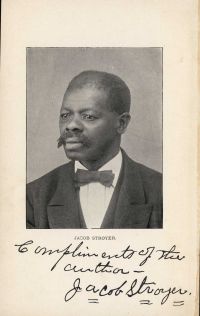
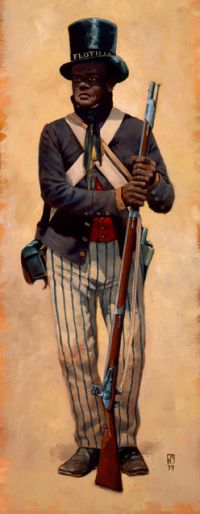
Portrait of Jacob Stroyer Jacob Stroyer,  My Life In The South

“ Black's family that his wife turned against him for his cruelty to runaway slaves.
I have stated that some of the masters and overseers hired the hunters, on condition that they would capture and return the runaway slaves, unbruised and untorn by their dogs; while others, in a mad fit of passion, would say to them, "I want you to bring my runaway nigger home, dead or alive."
All of the slave hunters used to practice cruelty upon the runaway slaves; more especially upon those whose masters would say to hunters "bring them dead or alive."
”
Source: Gutenberg

Get perspective with Kwize: daily news enlightened by great literature