Ship's cook

Definition and stakes

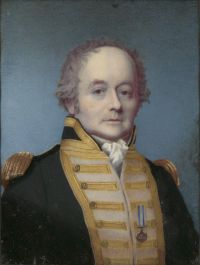
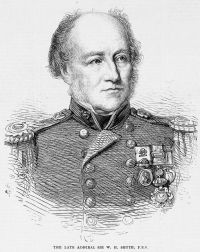
Portrait of W. H. Smyth W. H. Smyth,  The Sailor's Word-Book

“ The cook, par excellence, in the navy, was a man of importance, responsible for the proper cooking of the food, yet not overboiling the meat to extract the fat—his perquisite. The coppers were closely inspected daily by the captain, and if they soiled a cambric handkerchief the cook's allowance was stopped. Now, the ship's cook is a first-class petty officer, and cannot be punished as heretofore. In a merchantman the cook is, ex officio, the hero of the fore-sheet, as the steward is of the main one. ”

Source: Gutenberg

J. J. Smith,  In Eastern Seas

“ After just a cursory glance at these particulars we see about getting some "panem," especially as a most delectable odour from the lower regions assails our nostrils, betraying that that indispensable gentleman, the ship's cook, has lavished all his art on the production of a sailor's dinner. "Man is mortal," so we yield to the temptation, especially as we are awfully hungry—when is a sailor not so? Few meals present so much food for wonderment to the landsman as does a sailor's first dinner on board a newly-commissioned ship; all is hurry, bustle, and apparently hopeless confusion. ”
Source: Gutenberg

Frank Thomas Bullen,  The Men of the Merchant Service

“ In many respects the cook is the most interesting figure on board ship. From him of the vast floating hotel, where the cook is a man of many attainments, an artist in foods, who should, but does not, command as great a salary as the chef of a first-class London hotel, down to the miserable urchin who crouches low over his scarcely-shielded pot on the open deck of a foreign-going barge, they not only deserve our attention, they demand it, dumbly yet imperiously. How are the cooks of first-class passenger steamers trained? ”
Source: Gutenberg

Get perspective with Kwize: daily news enlightened by great literature