Slave trader

Definition and stakes

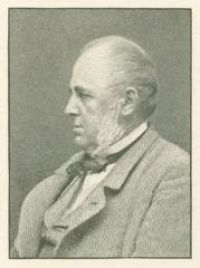
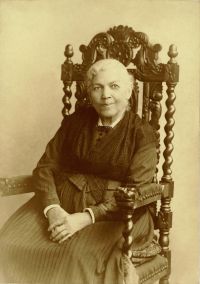
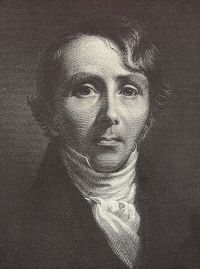
Portrait of Harriet Beecher Stowe Harriet Beecher Stowe,  A Key to Uncle Tom's Cabin

“ If there is an ill-used class of men in the world, it is certainly the slave-traders; for, if there is no harm in the institution of slavery,—if it is a divinely-appointed and honorable one, like civil government and the family state, and like other species of property relation,—then there is no earthly reason why a man may not as innocently be a slave-trader as any other kind of trader. ”
Source: Gutenberg

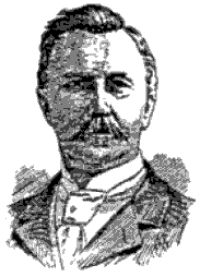
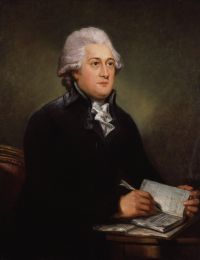
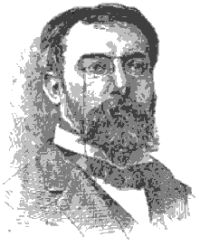
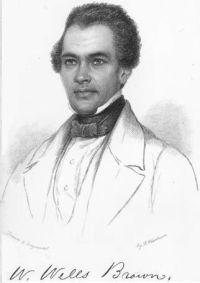
Portrait of William Wells Brown William Wells Brown,  Clotelle (1867)

“ The slave-trader started at early dawn, and was beyond the confines of the city long before the citizens were out of their beds. As a slave regards a life on the sugar, cotton, or rice plantation as even worse than death, they are ever on the watch for an opportunity to escape. The trader, aware of this, secures his victims in chains before he sets out on his journey. ”
Source: Wikisource

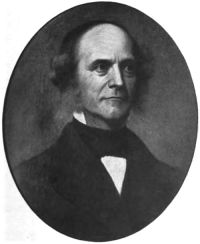
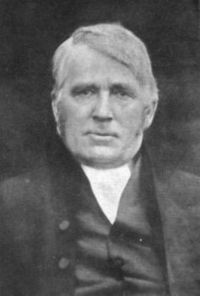
Portrait of Harriet Beecher Stowe Harriet Beecher Stowe,  A Key to Uncle Tom's Cabin

“ Now, as for the internal slave-trade,—the very essence of that trade is the buying and selling of human beings for the mere purposes of gain.
A master who has slaves transmitted to him, or a master who buys slaves with the purpose of retaining them on his plantation or in his family, can be supposed to have some object in it besides the mere purpose of gain. He may be supposed, in certain cases, to have some regard to the happiness or well-being of the slave. The trader buys and sells for the mere purpose of gain.
”
Source: Gutenberg

Get perspective with Kwize: daily news enlightened by great literature