“ It has always appeared to us that the reason why real slow bowling is slightly less deadly than fast or medium on slow wickets is simply that the batsman is more at the mercy of the eccentricities of the ground when playing to the latter class of bowling than when playing to the former. He always has the power, if he would only exercise it, of leaving his ground to balls of a certain length from the slow bowler, and smothering them. And again let the beginner lay this axiom to heart: the ground can commit no devilry if the ball is smothered at the pitch. ”
Slow bowler
Definition and stakes
The theme of “slow bowler” has been addressed by authors such as Allan Gibson Steel, R. H. Lyttelton, Ranjitsinhji Vibhaji II, Robert Henry Lyttelton and James Pycroft. It is often associated with terms like bowling, batsman, cricket, fast and wicket.
Quotes about “slow bowler”
Robert Henry Lyttelton, Out-door Games: Cricket and Golf (1901)
“ People now go to watch a cricket match, not for the sake of seeing a fair duel between bowler and batsman, a close finish, or a decisive result, but merely a batting spectacle. Fast bowlers get worn out prematurely, and are driven to banging the ball down in the hope of the batsman giving catches in the slips; while slow bowlers, in the attempt to bring about impossible breaks, sacrifice length, direction, and spin. The field grows weary, and cricket, instead of being a grand game, becomes a toil and a weariness. ”
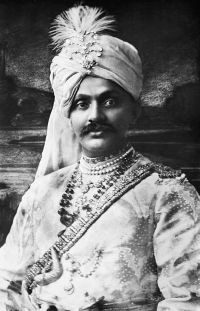 Ranjitsinhji Vibhaji II,
The Jubilee Book of Cricket
(1897)
“ Slow bowlers of every description depend upon their skill in varying pace and pitch and in making the ball break. They must be very resourceful, full of tricks and devices, but at the same time extremely accurate and steady. Of all bad bowlers a bad slow bowler is the worst, because a batsman has ample time to see his deliveries and deal with them according to taste. But a good slow bowler—one who has a perfect command of the ball and knows how to apply it—has many advantages. In the first place, he can go on bowling much longer than a fast or even a medium. ”