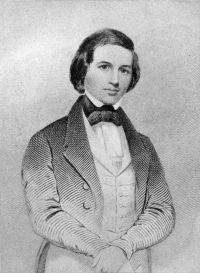
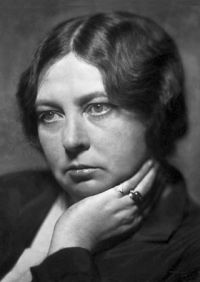
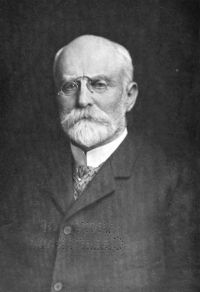
The spinning jenny, a multi-spindle spinning frame devised by James Hargreaves in 1764–1765, transformed textile production by allowing a single worker to spin several threads at once, hastening the mechanization of cloth manufacturing. Although its mechanical influence is well-recorded, literary works have also examined the name "Jenny" as a symbol or character, highlighting its wider cultural significance. Writers such as Lucius M.
Sargent compared Jenny Lind’s operatic prominence to the spinning jenny’s revolutionary role in Lancashire, while Frank Swinnerton crafted stories in which "Jenny" represented emotional tension or competition. A. E. W. Mason’s narratives include Jenny as a central figure in suspenseful encounters, demonstrating how the name, despite its disconnection from the machine’s technical past, became a medium for human drama. This connection between industrial progress and literary imagery highlights the spinning jenny’s dual heritage as both a technological advancement and a cultural landmark.