Alf

Definition and stakes

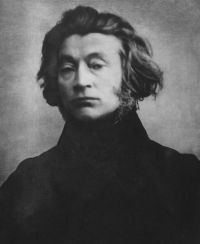
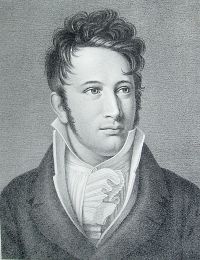
Portrait of Adam Oehlenschläger Adam Oehlenschläger,  The Gods of the North: an epic poem

“ ALF, plural ALFER, are inferior elementary divinities, divided into two classes, viz. the white Alfer, or Alfs of light; and the black Alfer, or Alfs of darkness. The white Alfer are related to the Asar and Vaner, and are friendly to mankind; they dwell with Balder in his palace of Breidablik. The black Alfer are mischievously disposed: they are connected with the Dvergar (dwarfs) , and like them they shun the light of day: they dwell in caverns and sally out at night only. Our word elf is derived therefrom. ”
Source: Gutenberg

Constance Albuera Saunderson,  Once a Week (1860)

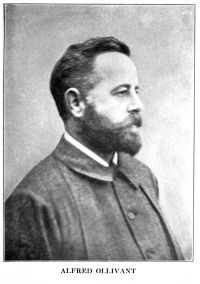
“ Why Frank, man, where do you spring from, after being lost to the world for years?”
“I have been completing my education as a painter, my dear Alf. Last of all I come from my studio in Brompton, and before that from Jerusalem, where I have been painting a big picture; and if you will look for it next year at the Academy, your weak mind will be astonished to find all my Jews with blue eyes and unobtrusive noses, which, after all, is the most frequent type out there. And now, Alfred, what of you during the four years I have been travelling;—married?” (I knew Alfred had been in love for years.)
”
Source: Wikisource

Thomas Keightley,  The Fairy Mythology

“ Of the derivation of Alf, as just observed, we know nothing certain, [102] and the original meaning of Nympha would appear to be a new-married woman, [103] and thence a marriageable young woman; and it was applied to the supposed inhabitants of the mountains, seas, and streams, on the same principle that the northern nations gave them the appellation of men and women, that is, from their imagined resemblance to the human form.
Whatever its origin, the word Alf has continued till the present day in all the Teutonic languages. The Danes have Elv, pl. Elve; the Swedes, Elf pl.
”
Source: Gutenberg

Get perspective with Kwize: daily news enlightened by great literature