Spring (waterbody)

Definition and stakes

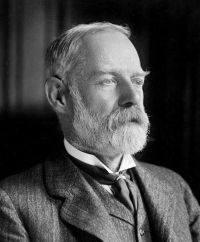
Portrait of Henry David Thoreau Henry David Thoreau,  Walden (1854)

“ In spring the sun not only exerts an influence through the increased temperature of the air and earth, but its heat passes through ice a foot or more thick, and is reflected from the bottom in shallow water, and so also warms the water and melts the under side of the ice, at the same time that it is melting it more directly above, making it uneven, and causing the air bubbles which it contains to extend themselves upward and downward until it is completely honey-combed, and at last disappears suddenly in a single spring rain. ”

Source: Wikisource

Anonymous,  The London and Country Brewer

“ River-waters are less liable to be loaded with metallick, petrifying, saline and other insanous Particles of the Earth, than the Well or Spring sorts are, especially at some distance from the Spring-head, because the Rain water mixes with and softens it, and are also much cured by the Sun's heat and the Air's power, for which reason I have known several so strict, that they won't let their Horses drink near the first rise of some of them ”
Source: Gutenberg

Tadashi Nakashima,  Down with the Cities!

“ Rain falls, the water soaks into the earth, and becomes a spring. Spring water flows into mountain streams, then makes its way to rivers, and then into the ocean, where it evaporates. Rising into the sky it forms clouds, and falls once again on the Land, starting the cycle anew. ”
Source: Gutenberg

Get perspective with Kwize: daily news enlightened by great literature