State's attorney

Definition and stakes

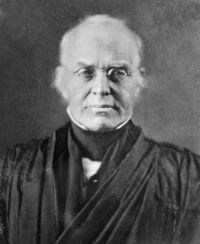
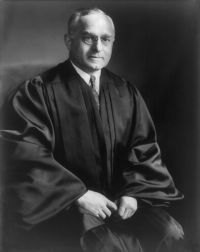
Portrait of Potter Stewart Potter Stewart,  Rusk v. Cort — Opinion of the Court

“ We find nothing in the statutory language, in the legislative history, or in our prior decisions which leads us to believe that Congress had any such purpose.
The Administrative Procedure Act confers the right to judicial review of 'any agency action.' The procedures of § 360 (b) and (c) would culminate in litigation not against the Secretary of State whose determination is here being attacked, but against the Attorney General.
”
Source: Wikisource

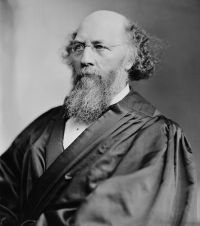
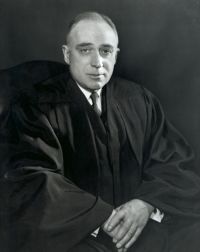
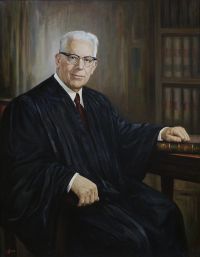
Portrait of Earl Warren Earl Warren,  Allen v. State Board of Elections…

“ It provides that a State may enforce a new enactment if the State submits the new provision to the Attorney General of the United States and, within 60 days of the submission, the Attorney General does not formally object to the new statute or regulation. The Attorney General does not act as a court in approving or disapproving the state legislation. If the Attorney General objects to the new enactment, the State may still enforce the legislation upon securing a declaratory judgment in the District Court for the District of Columbia. ”
Source: Wikisource

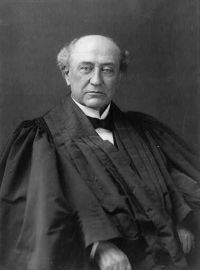
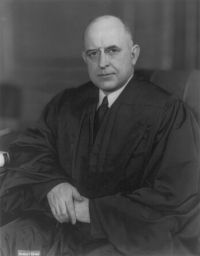
Edward Douglass White,  Wisconsin ex rel. Bolens v. Frear…

“ The state uses it to punish or prevent wrongs to itself or to the whole people. The state is always the plaintiff, and the only plaintiff, whether the action be brought by the attorney general, or against his consent, on the relation of a private individual, under the permission and direction of the court. It is never the private relator's suit. He is a mere incident. He brings the public injury to the attention of the court, and the court, by virtue of the power granted by the Constitution, commands that the suit be brought by and for the state. ”
Source: Wikisource

Get perspective with Kwize: daily news enlightened by great literature